AC Leaking Water? Find It by Where the Water Appears First
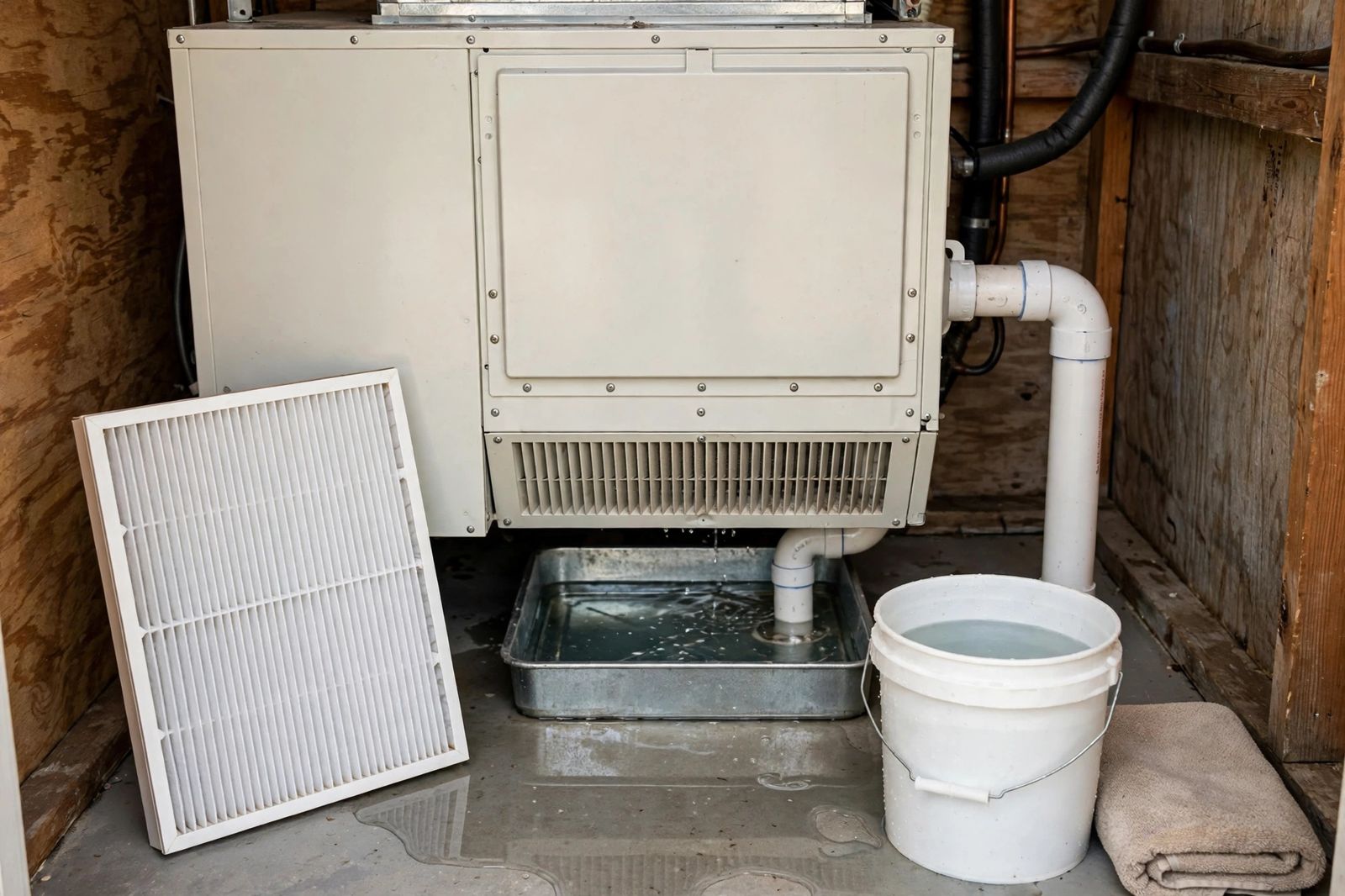
AC leaking water? Start by where it appears - under the indoor unit, outside, or on the ceiling - then work the drain, pan and filter checks in order.
Why things break around the house, how to diagnose them, and what a proper fix involves.
AC leaking water? Start by where it appears - under the indoor unit, outside, or on the ceiling - then work the drain, pan and filter checks in order.
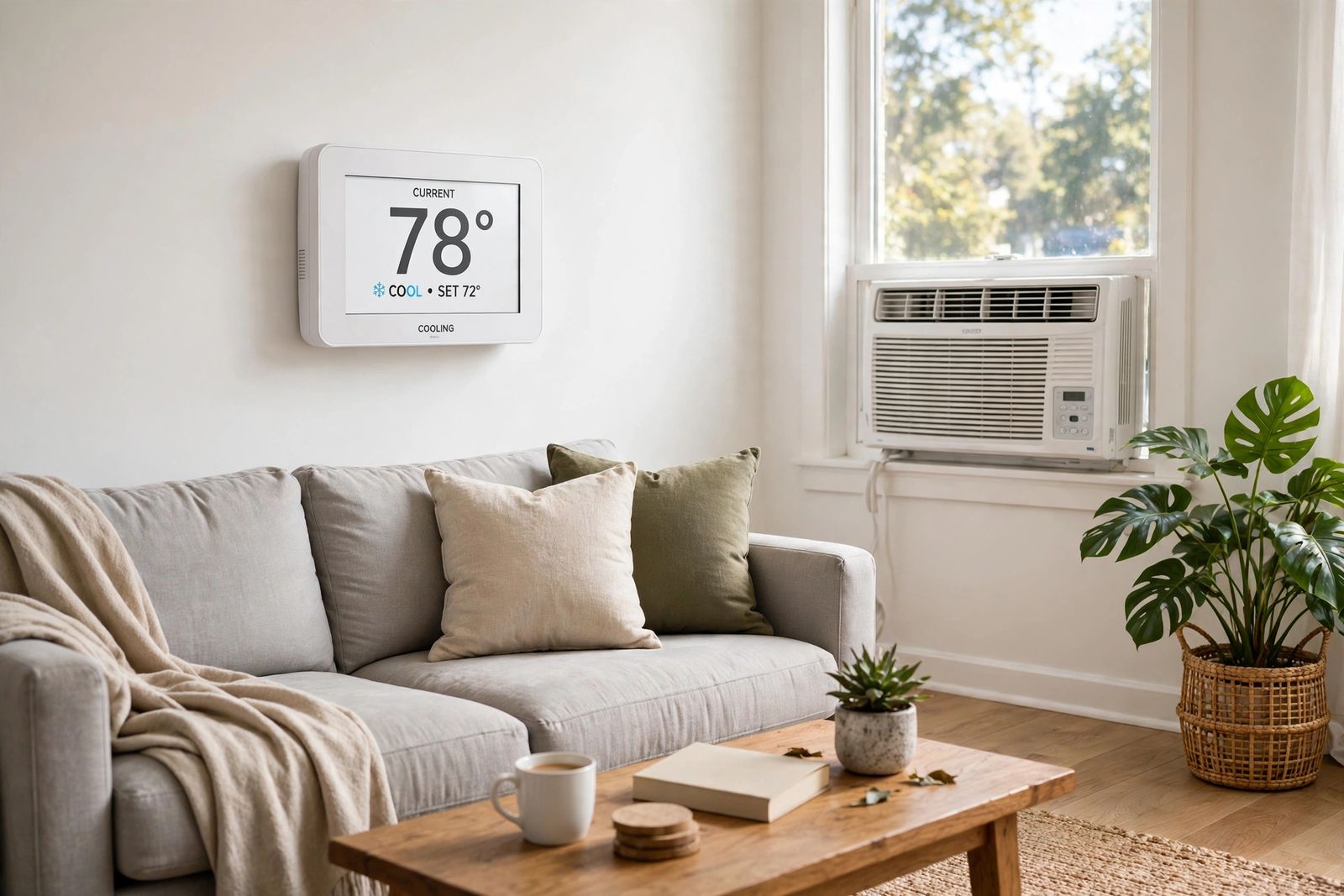
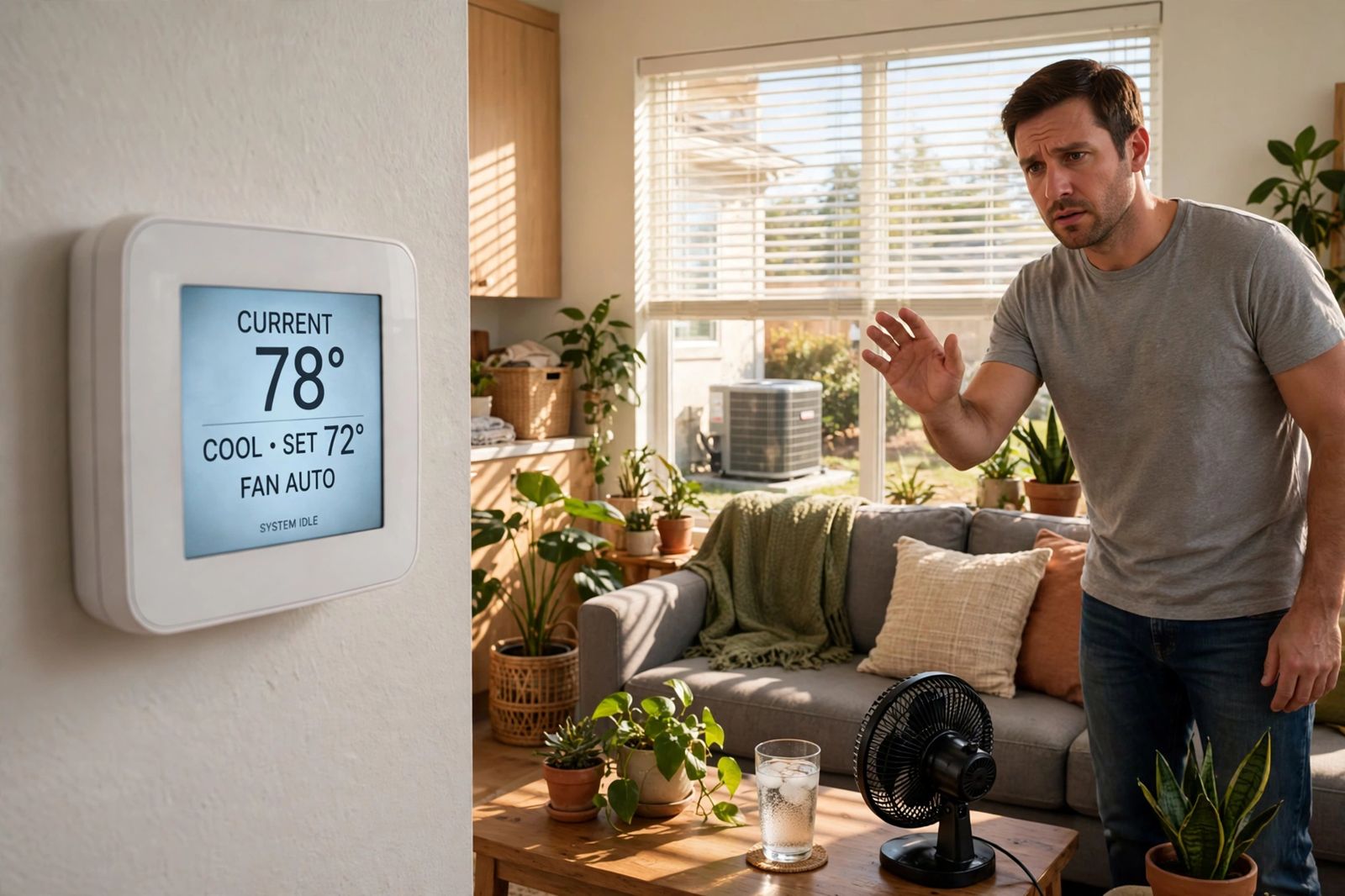
AC not cooling? Work this checklist in order first: thermostat, filter, outdoor airflow, frozen-coil signs - and what only a technician should touch.
AC not turning on? Follow the no-start chain in order: breaker, thermostat call, float switch, capacitor hum - split by what actually runs.
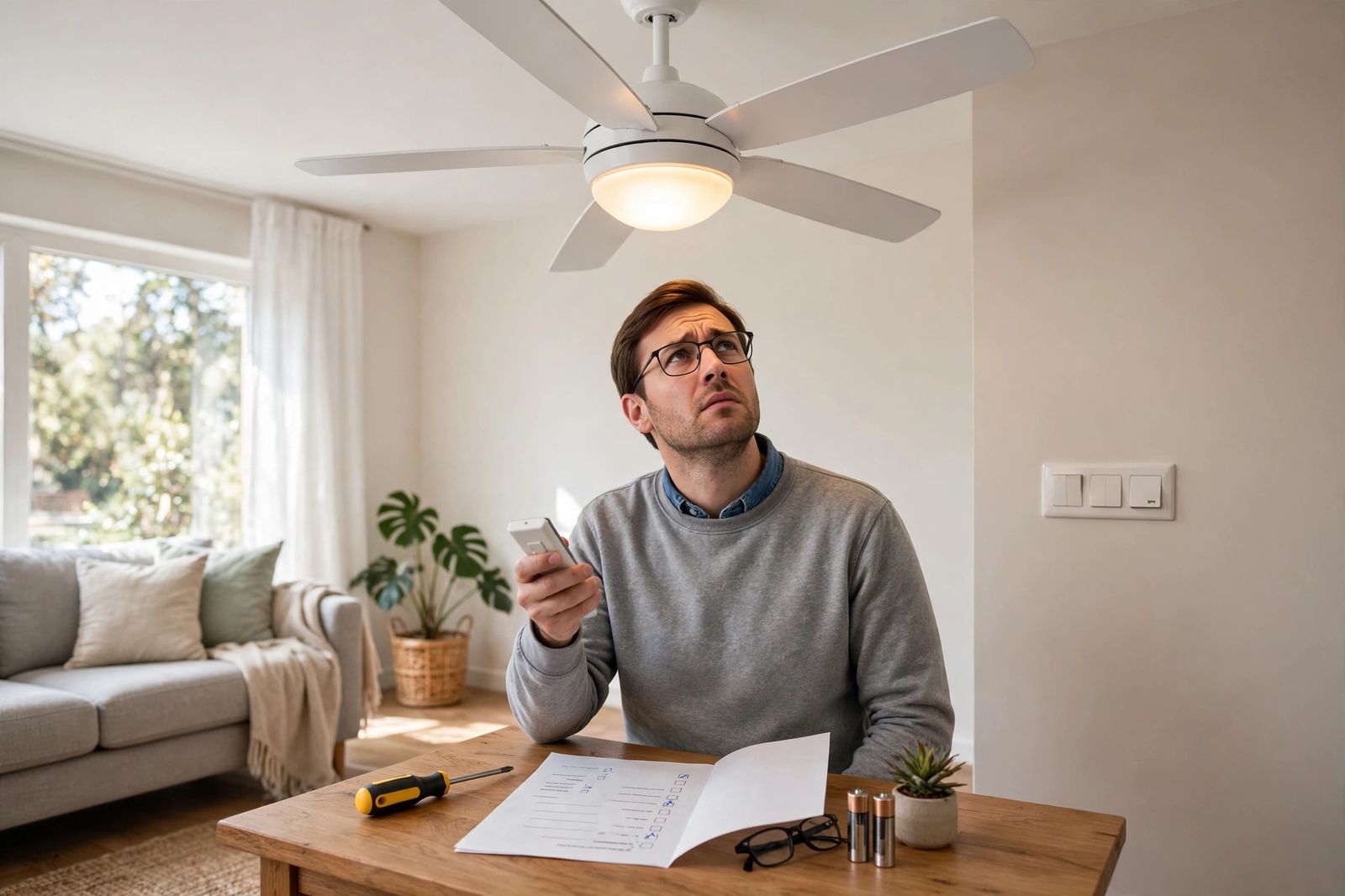
Ceiling fan not working? If the light works, the fault is on the fan side — capacitor, reverse switch or receiver. Ordered checks for every pattern.
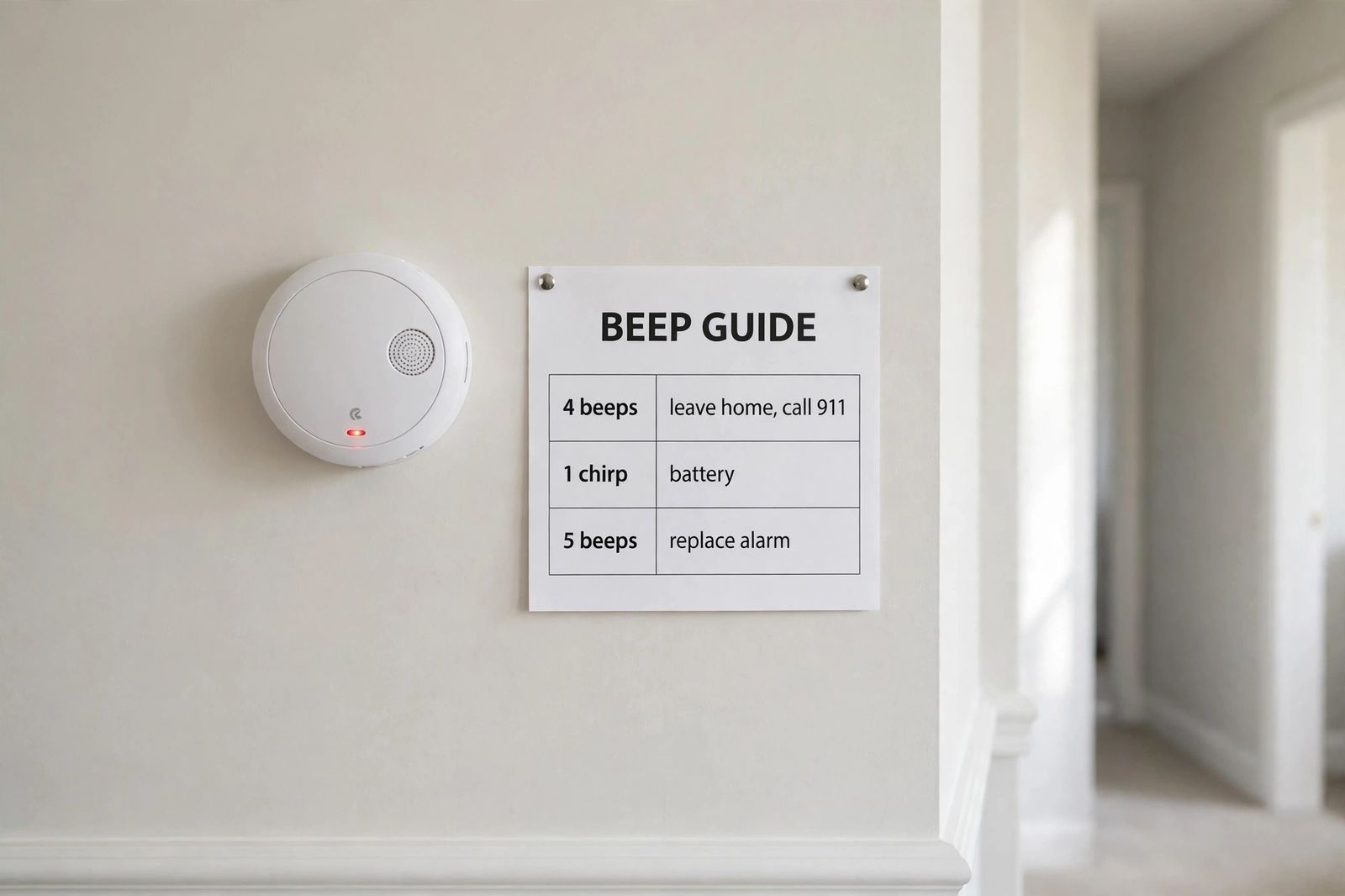
Carbon monoxide detector beeping? Four beeps means leave and call 911. Decode every Kidde and First Alert chirp: battery, end of life and fault.
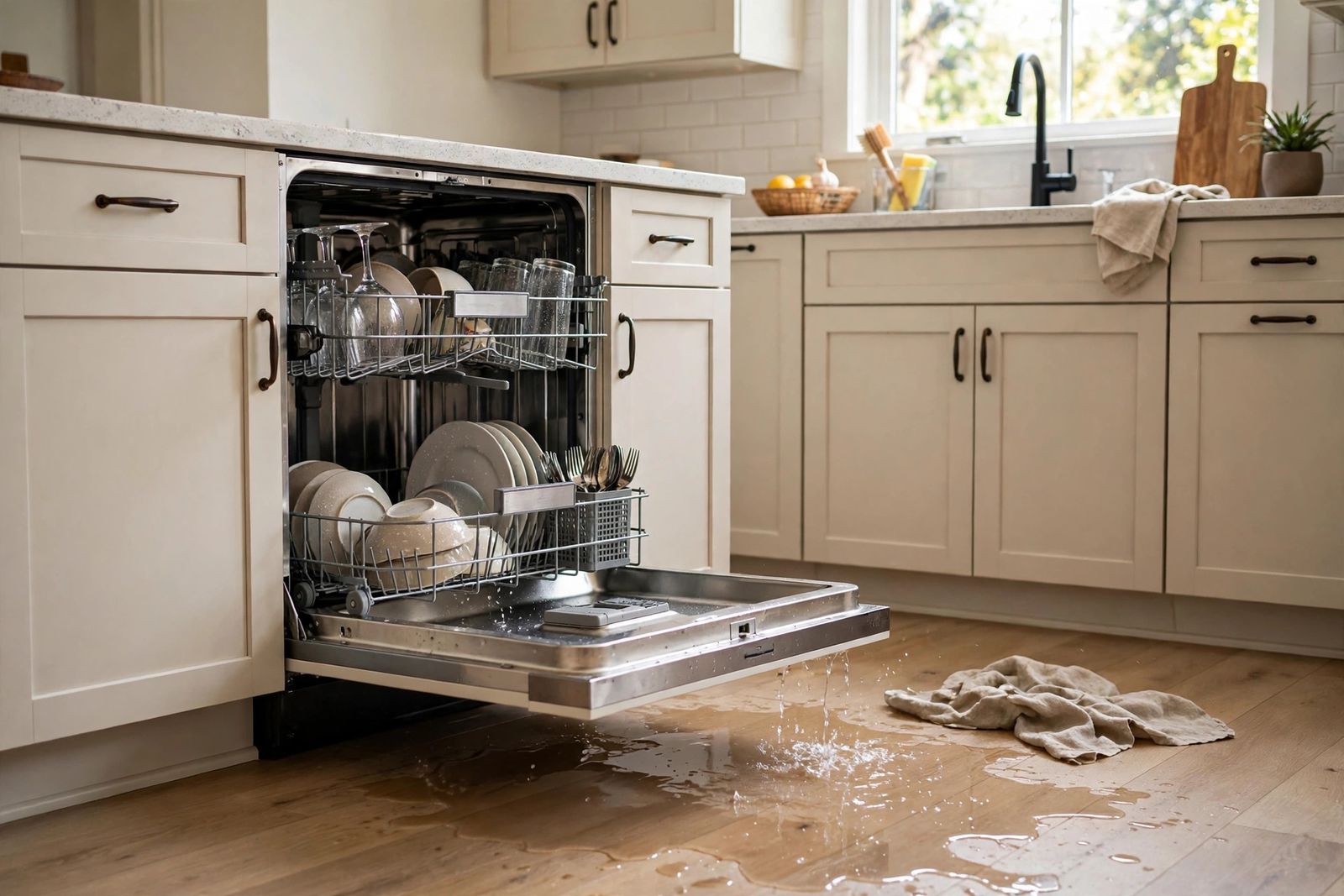
Dishwasher leaking? Where the water appears names the part: front door, underneath, back or sides — diagnosis table, confirming checks, fixes in order.
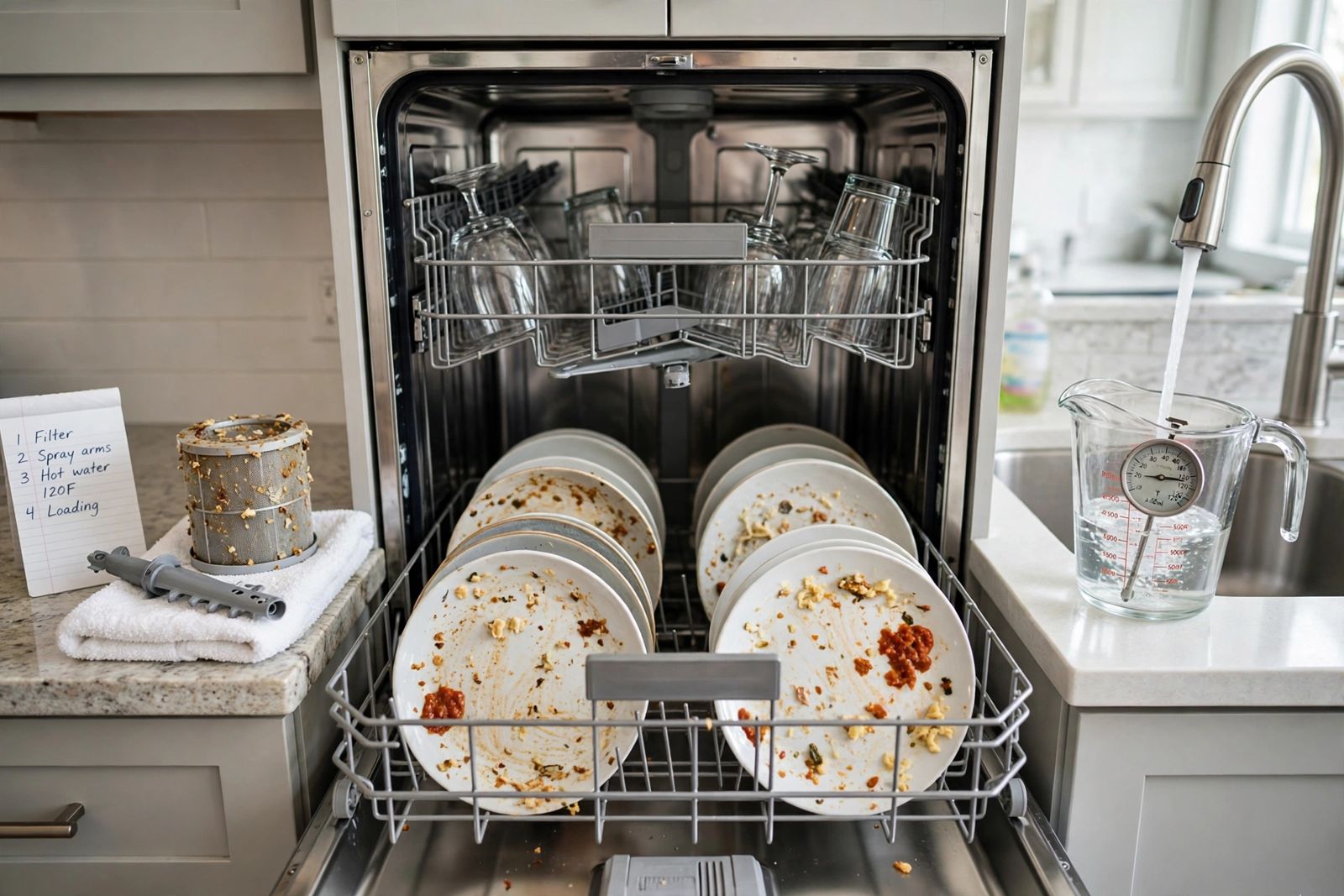
Dishwasher not cleaning dishes? Work the cleaning chain in order — filter, spray arms, hot water, loading — routed by which rack is still dirty.
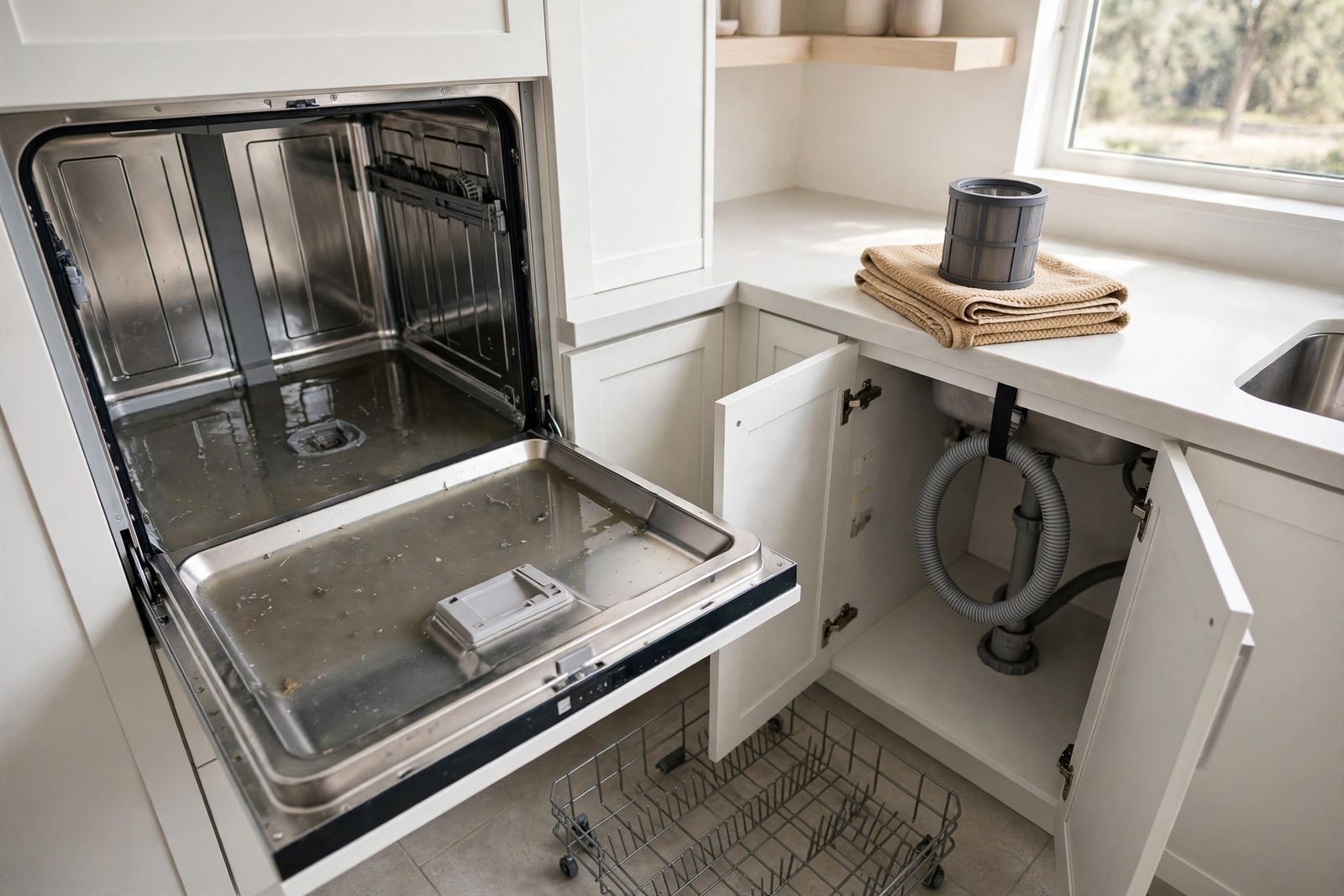
Dishwasher not draining? Work the standing-water chain in order — filter, air gap, knock-out plug, high loop, pump — and let each sign name the cause.
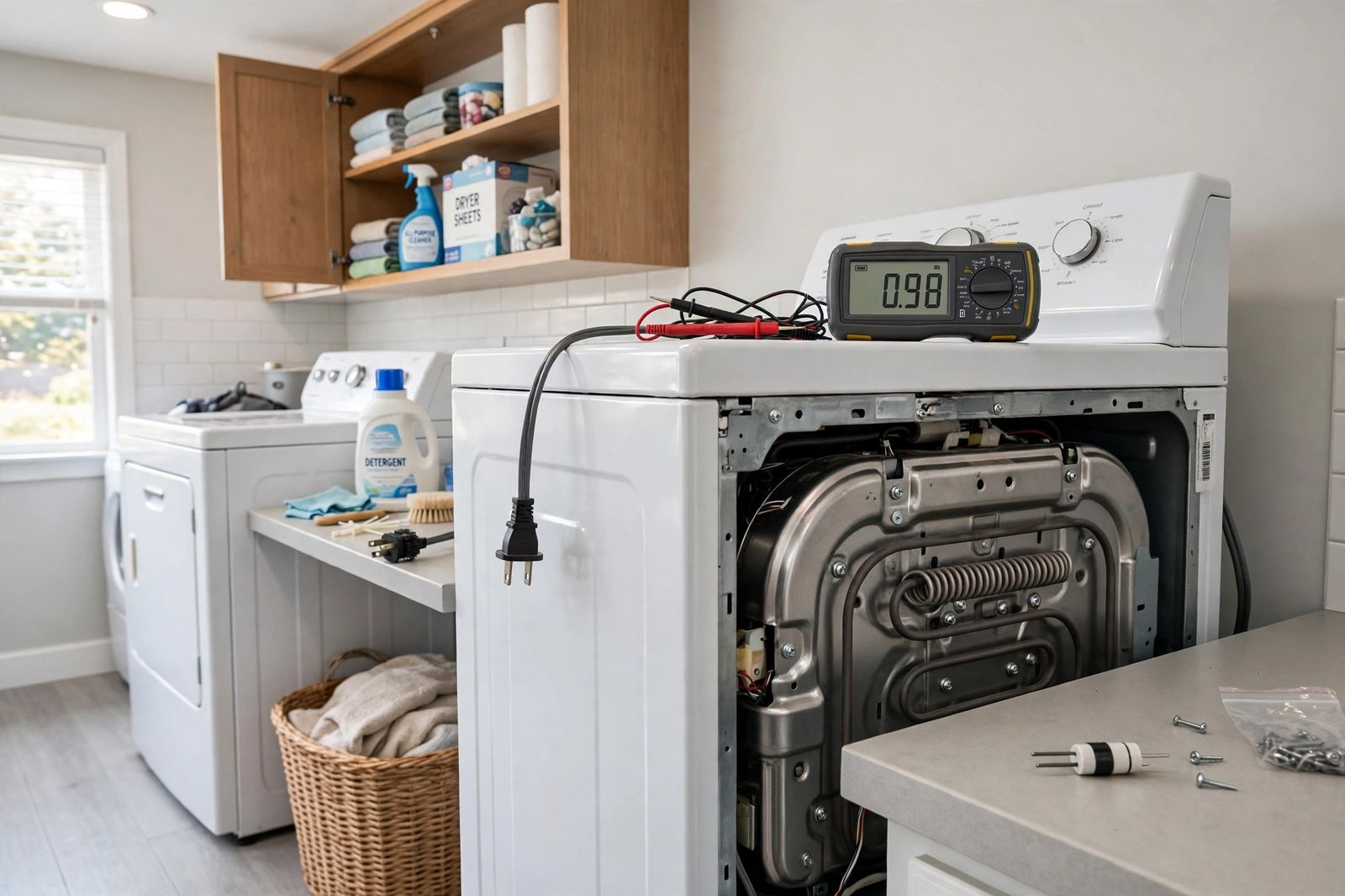
Dryer not heating but the drum still spins? Start with the 240V half-power trap, then test breaker, thermal fuse, element and thermostat in order.
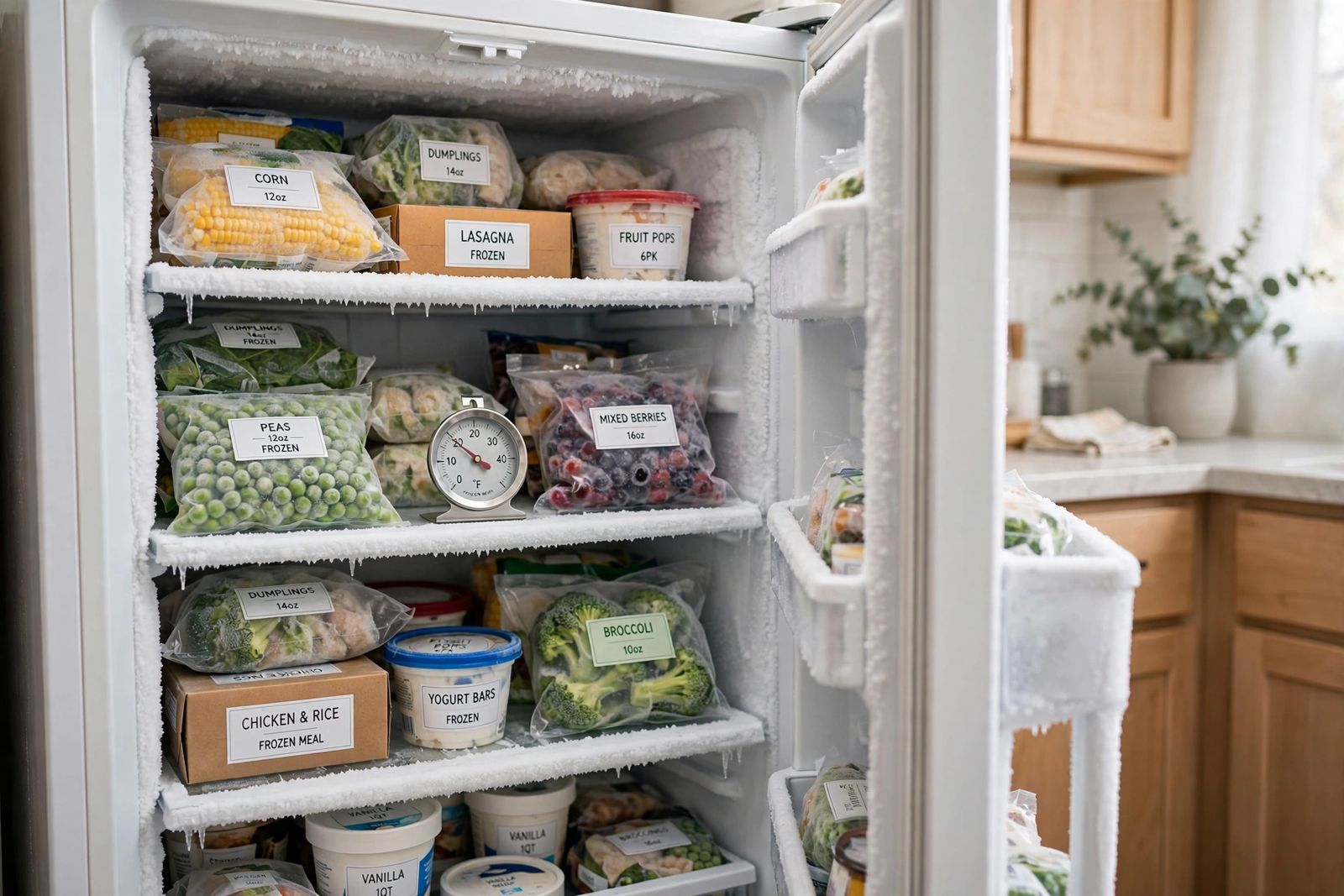
Freezer not freezing but the fridge is still cold? Work the split test in order — frost pattern, evaporator fan, thermistor — plus the USDA 0°F food rule.
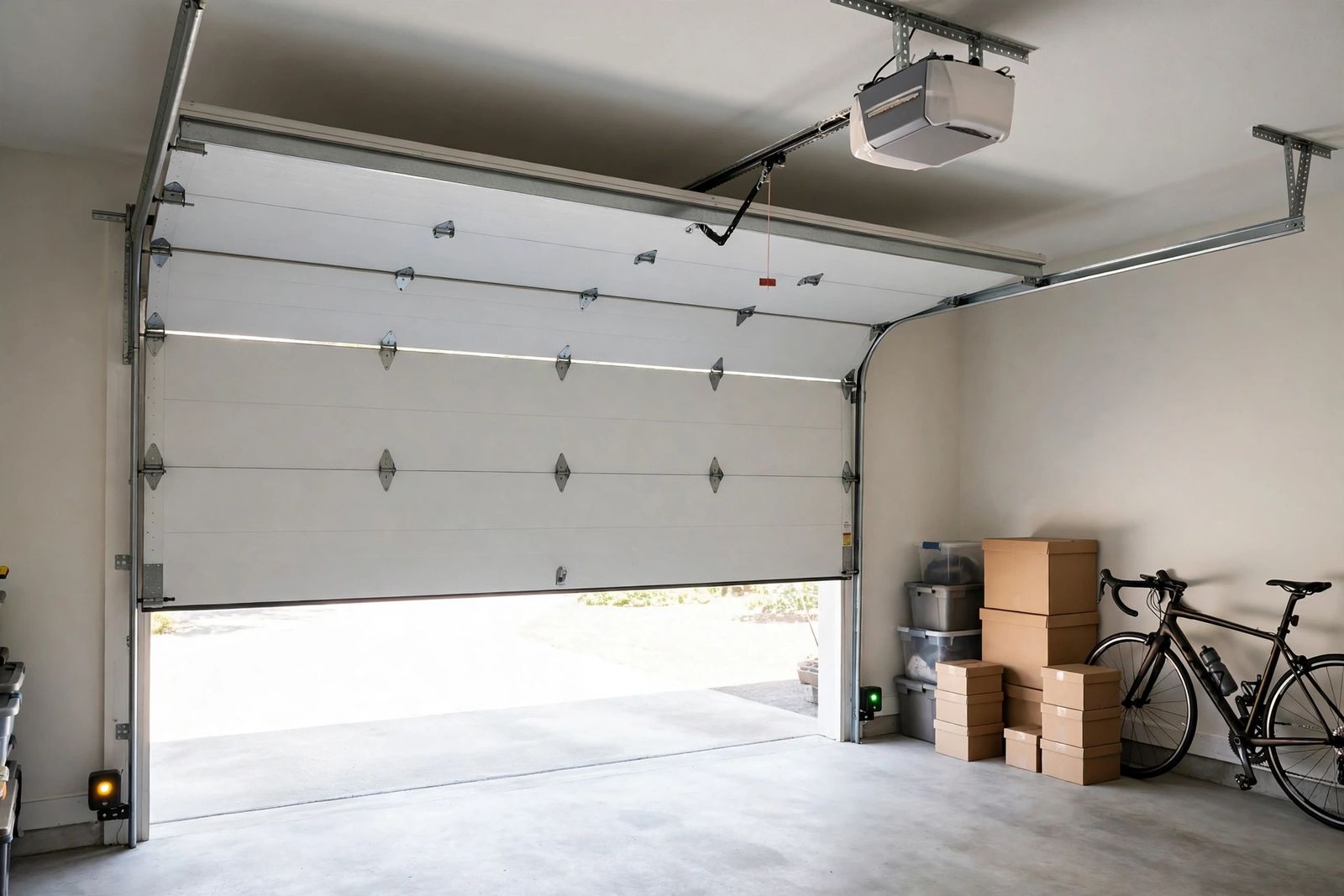
Garage door not closing? Decode opener light flashes by brand, run the photo-eye alignment test, fix travel limits — never touch the torsion spring.
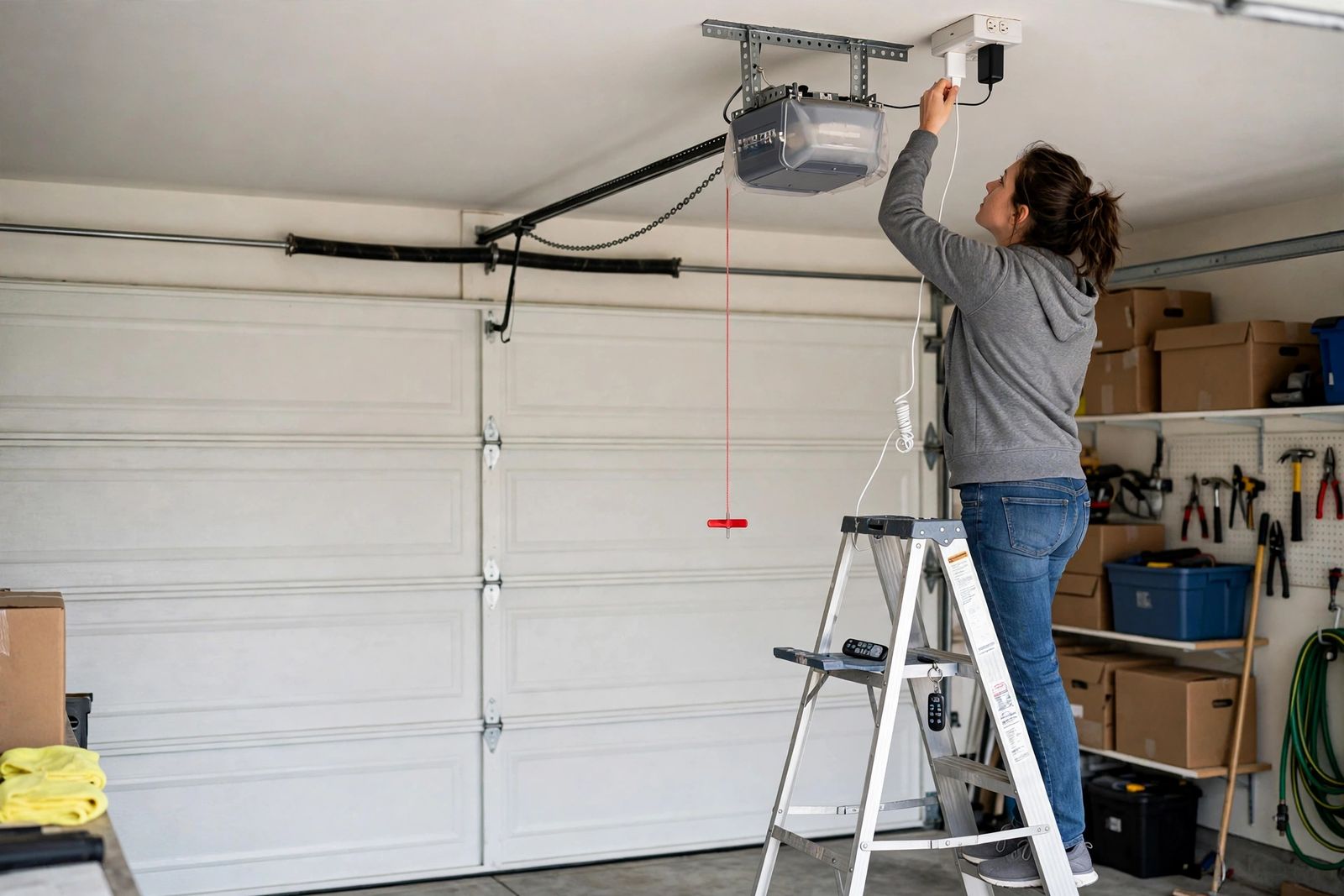
Garage door opener not working? Do the outlet test first, then split the fault by sound — silent, humming, or blinking — and check each in order.
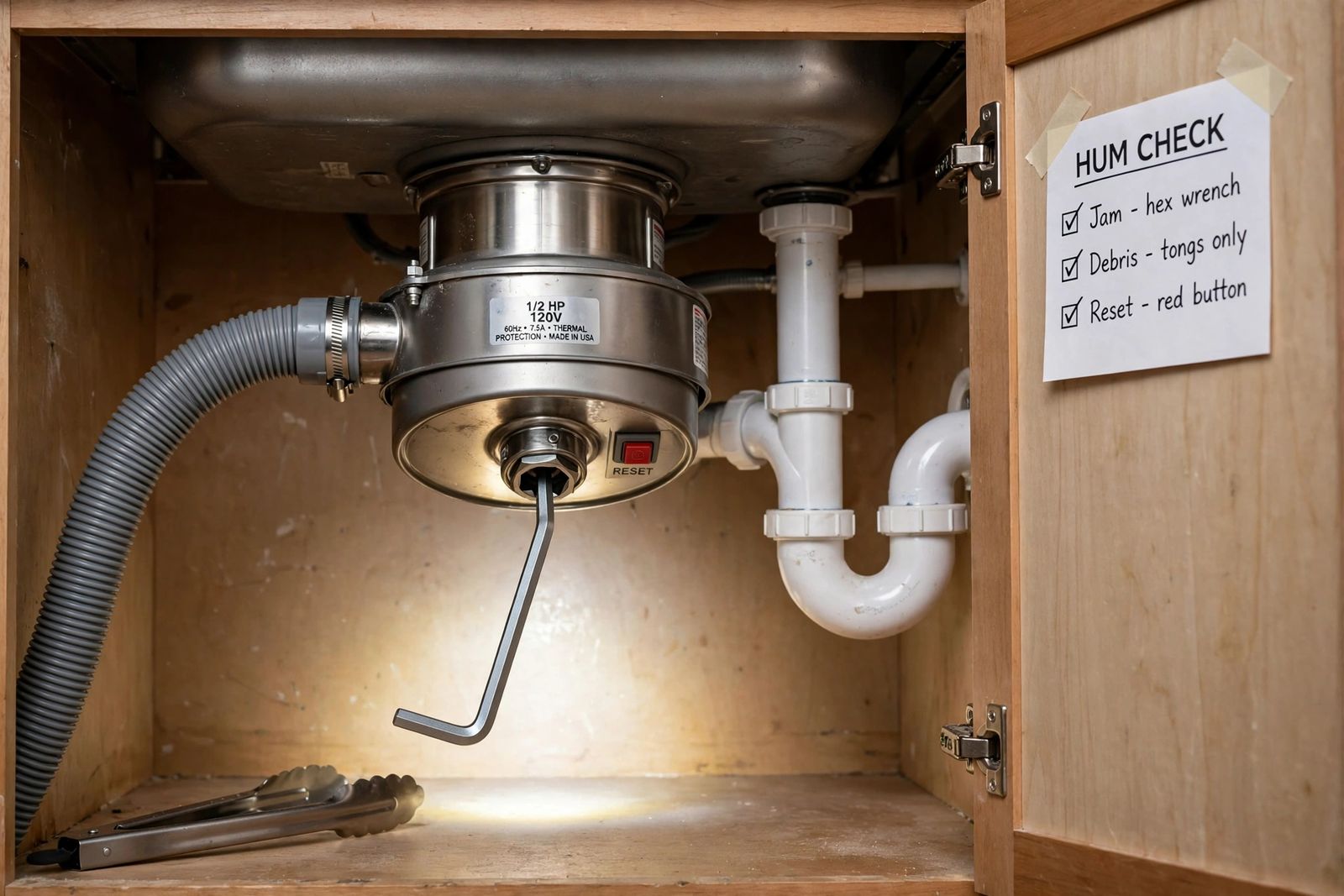
Garbage disposal humming but not spinning? It has power but cannot turn. The safe fix order and the flywheel test that separates a jam from a dead motor.
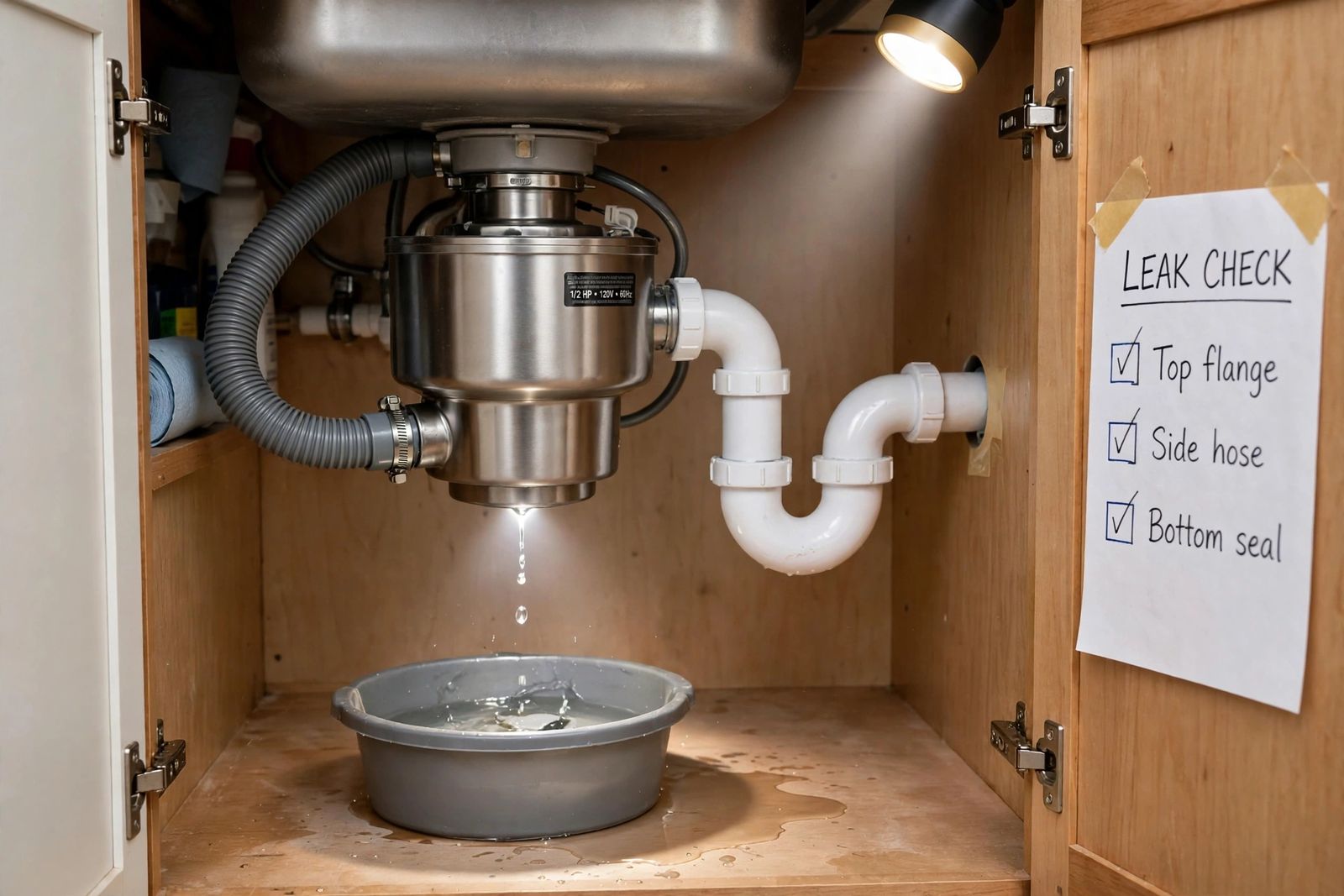
Garbage disposal leaking? Location gives the verdict: top is the flange, side is a hose or gasket, bottom means replace it. Full diagnosis map inside.
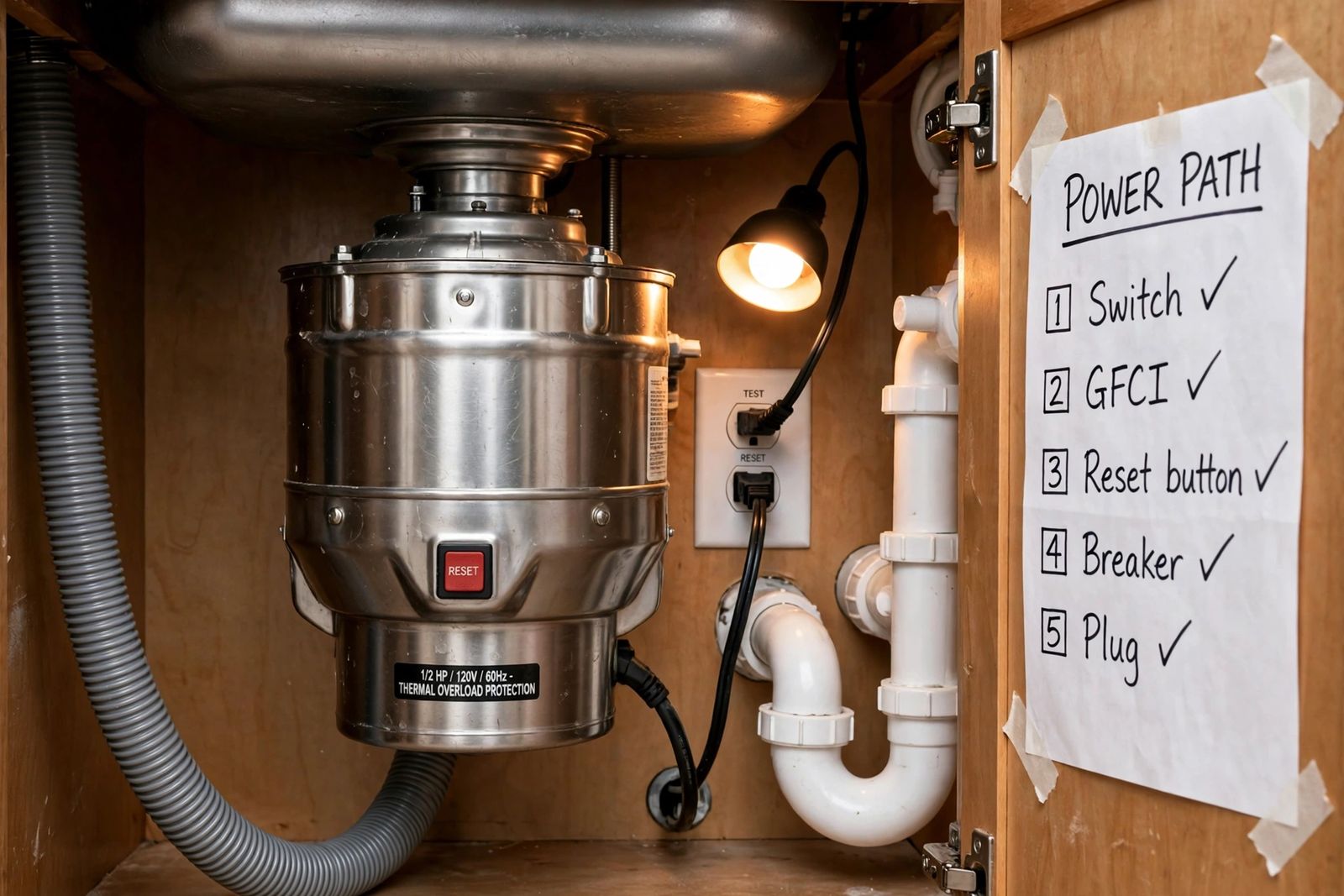
Garbage disposal not turning on, no sound at all? Power is not reaching the motor. Work the chain in order: switch, GFCI, reset, breaker, plug.
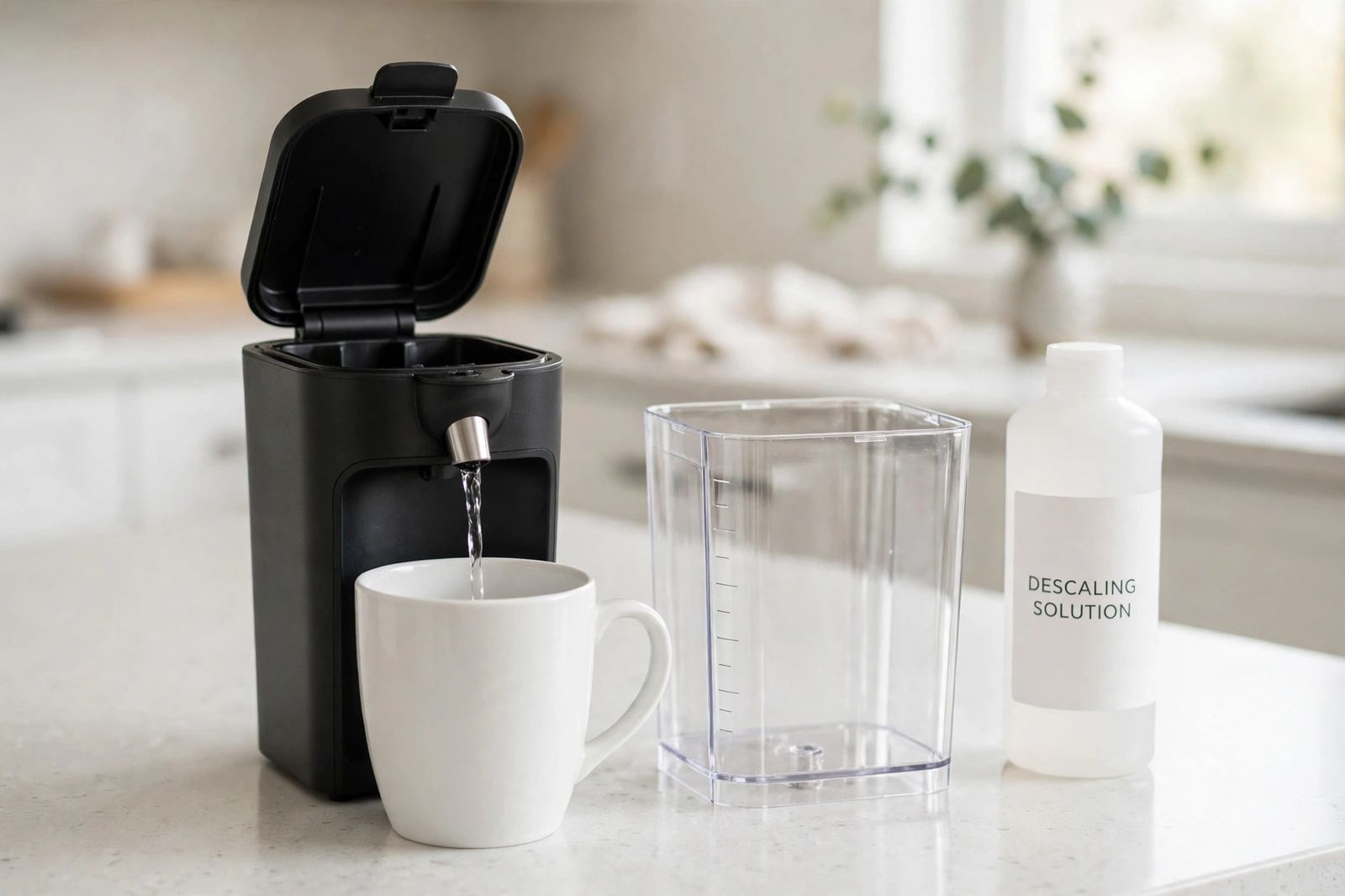
How to descale a Keurig: activate Descale Mode for your model family first, run the full solution and rinse cycle, and clear the light that stays on.
Low water pressure? One weak tap, one weak floor, or the whole house tells you the cause. The diagnosis tree, the gauge test, and the fixes in order.
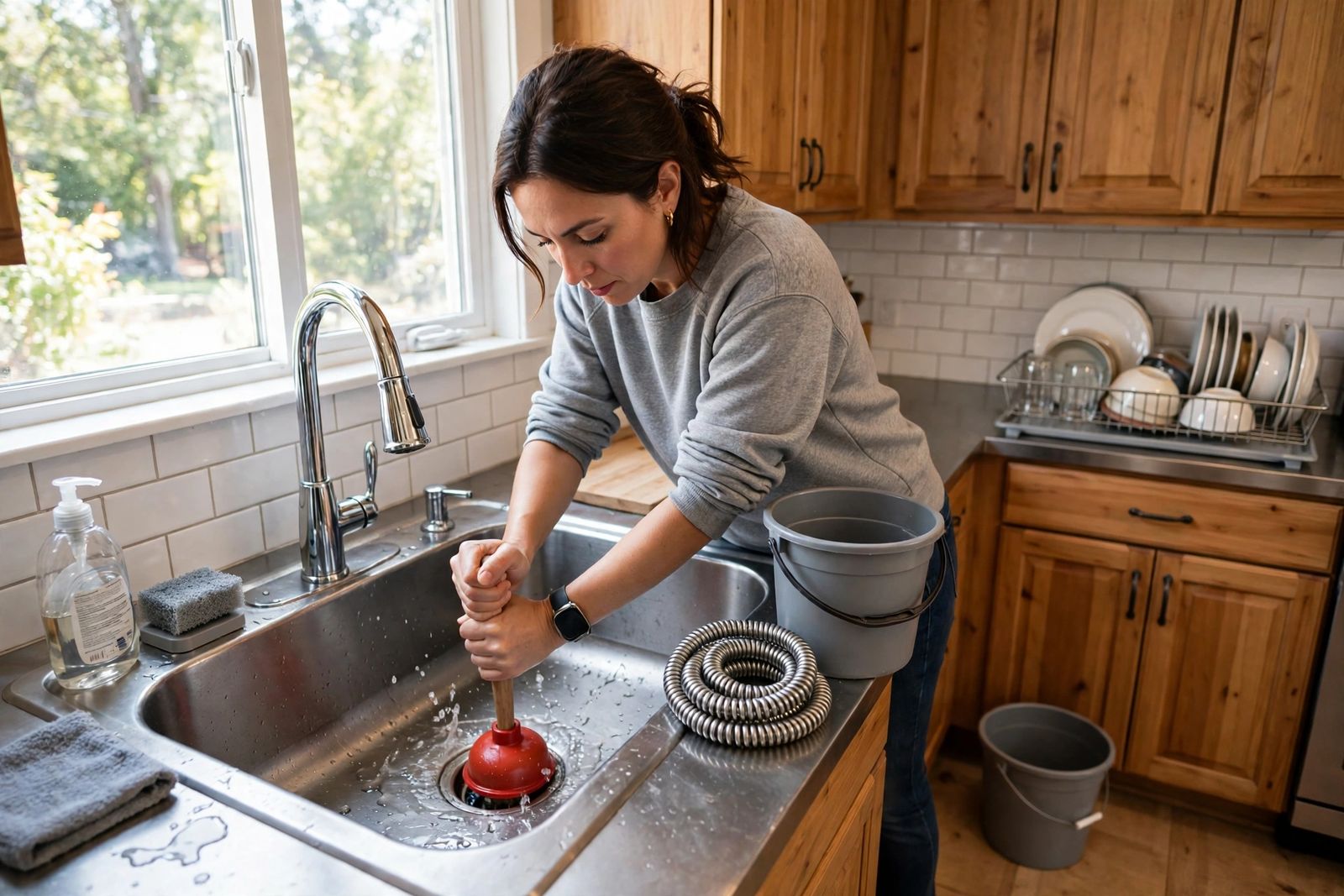
How to unclog a drain in the right order: hot water, plunger, snake, P-trap — matched to kitchen, bathroom and shower clogs, plus what never to do.
Microwave not heating but still running? Do the safe checks first — water test, settings, door — and leave the high-voltage parts inside to a technician.
Microwave sparking? Stop it and unplug it first. Read the cause from where sparks come from — cover, paint chip or dish — and if it is safe to use again.
Oven not heating? On electric it's usually the bake element, on gas a weak igniter. The glow tests, sensor check and pro limits, in order.
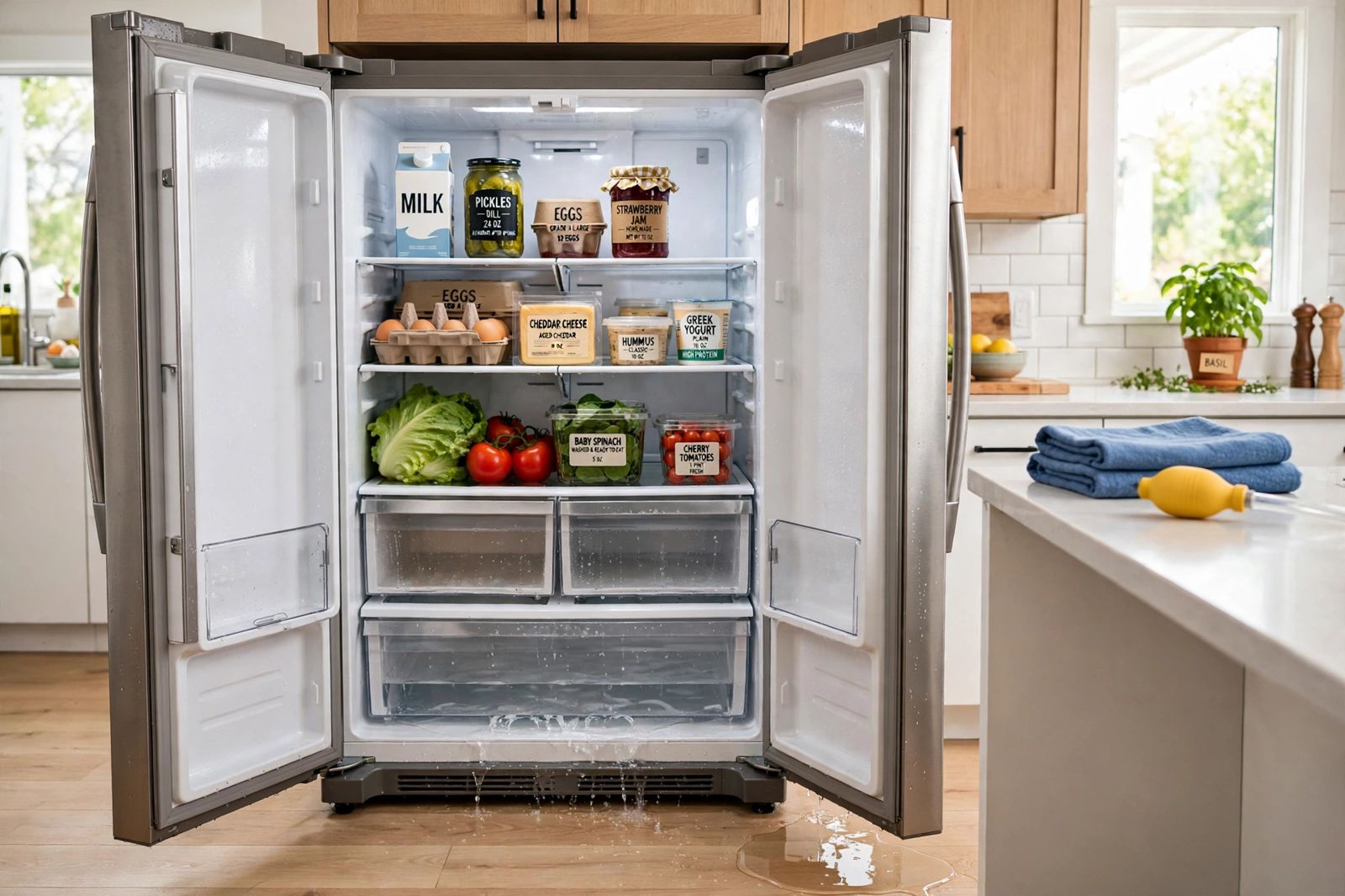
Refrigerator leaking water? Read the puddle first: inside, front or back each names a different cause and fix order, plus the test that splits them.
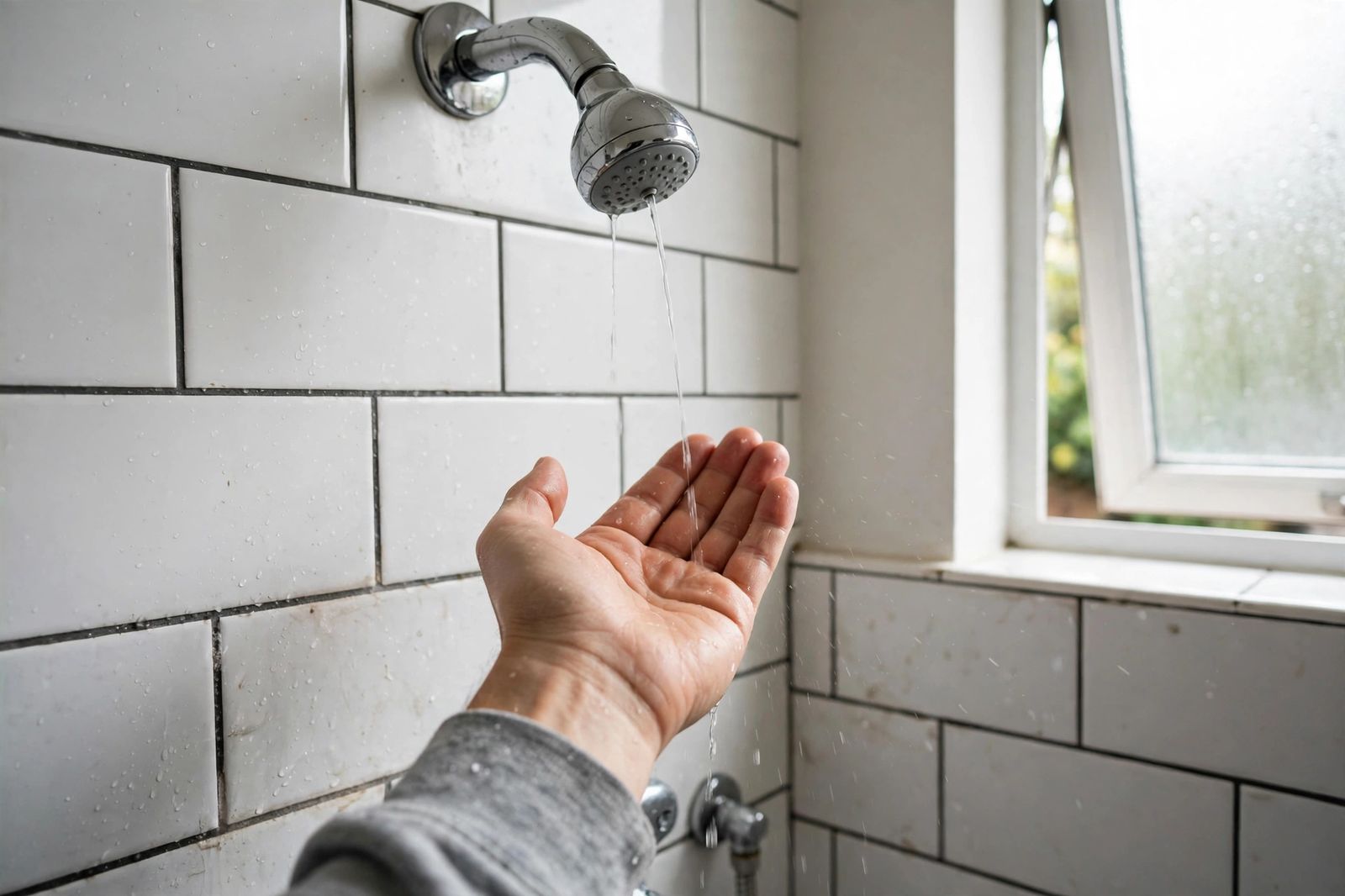
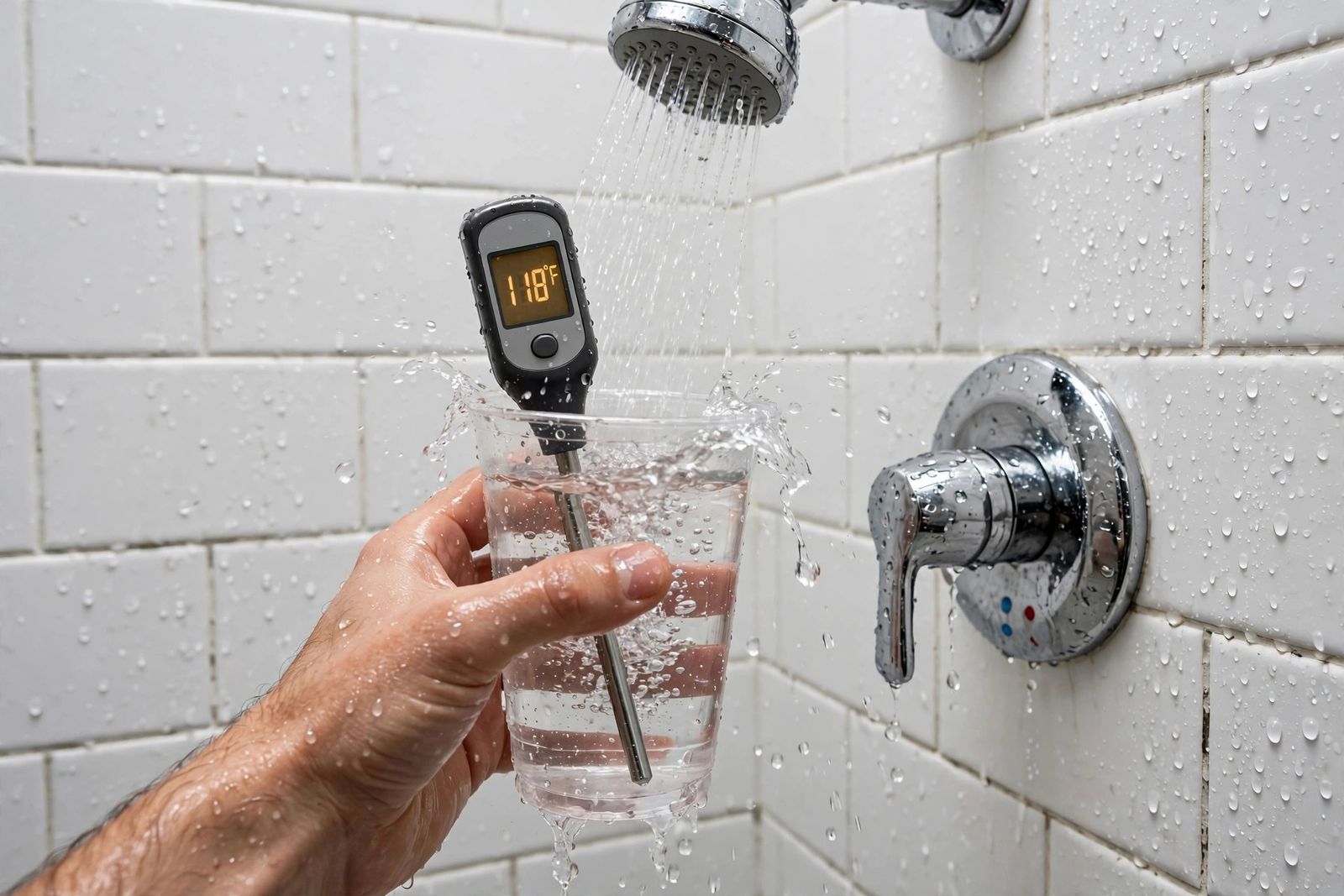
Shower water not getting hot while taps run hot? It's the shower valve — limit stop or cartridge. The one-split test and the ring fix, capped at 120°F.
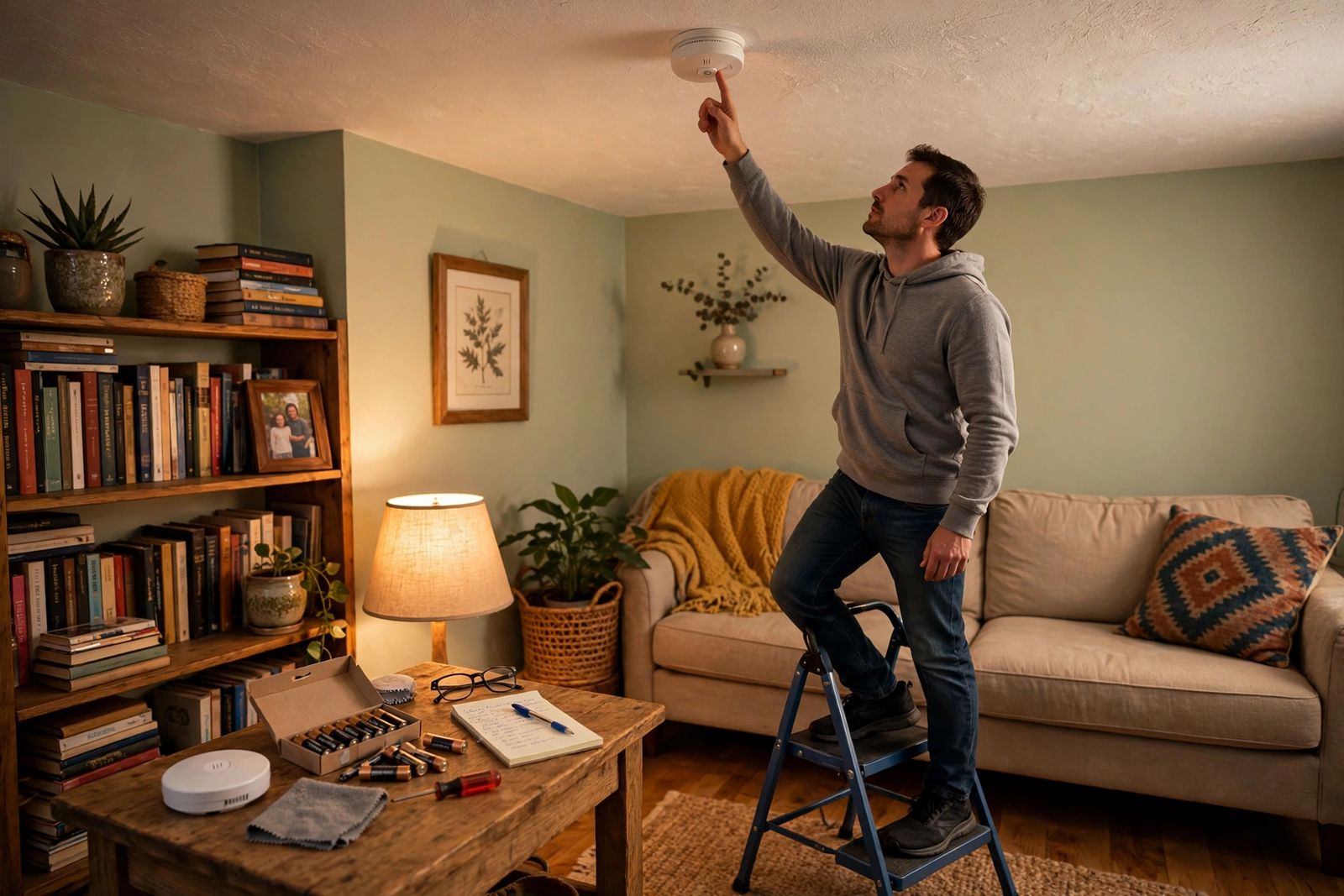
Smoke detector keeps beeping? Decode each pattern — low battery, end of life, smoke or CO — and fix it safely, with Kidde and First Alert timings.
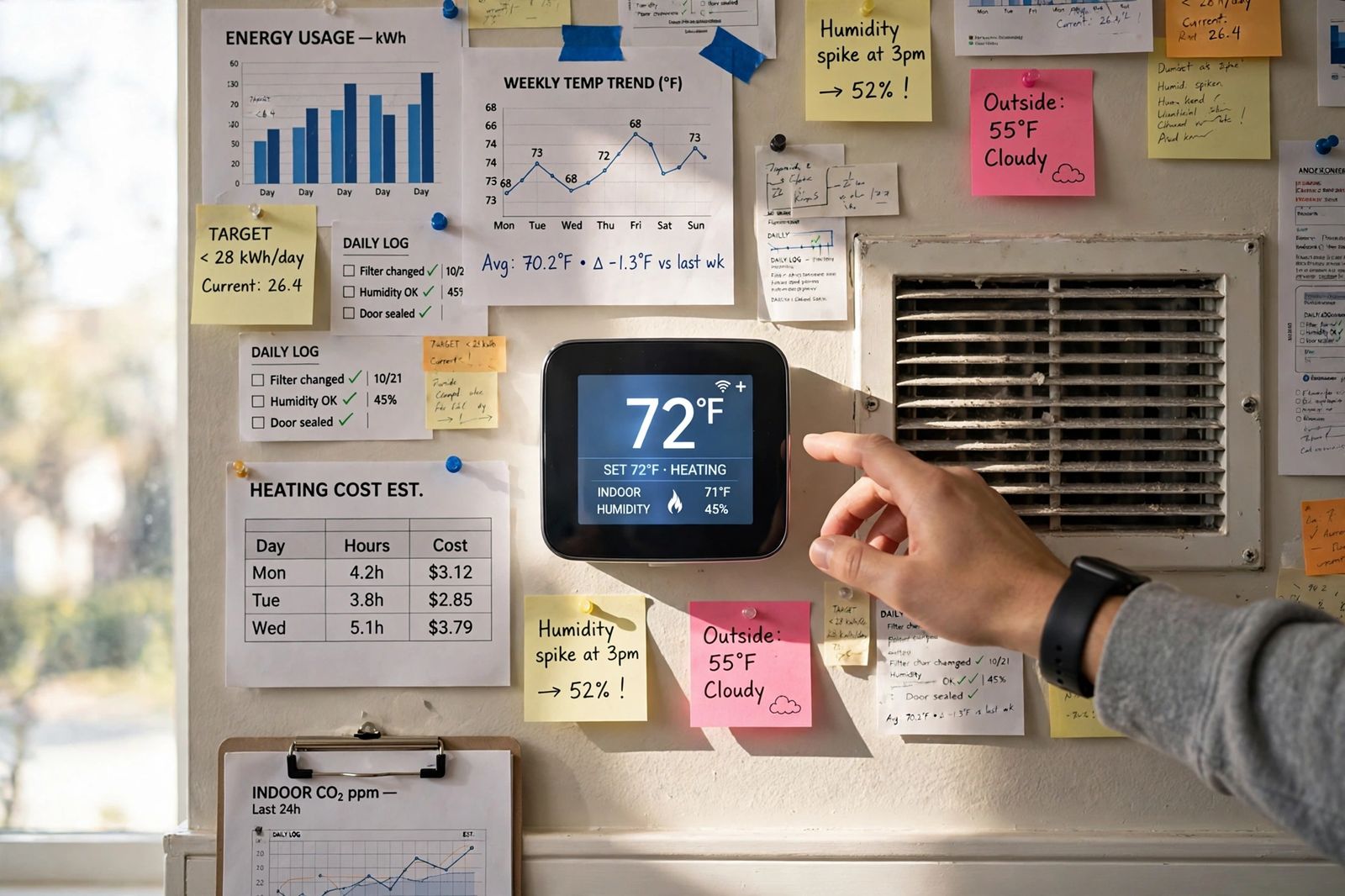
Thermostat not working is usually power, not a dead thermostat: batteries, breaker, furnace switch or a safety shutoff. Work your exact symptom in order.
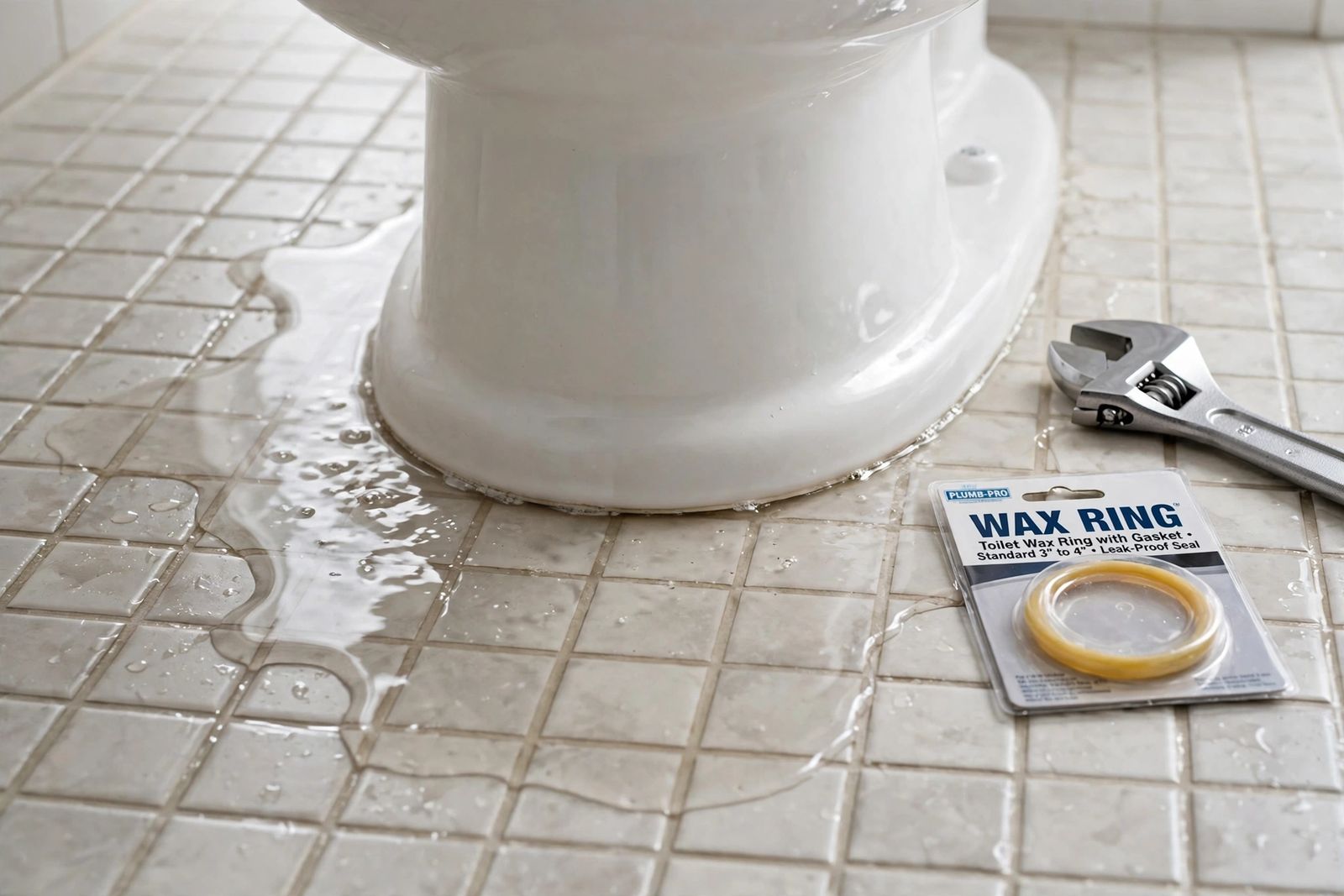
Water at the toilet base is usually a failed wax ring. Tell wax ring from flange, tank and supply leaks by when it appears, then replace it step by step.
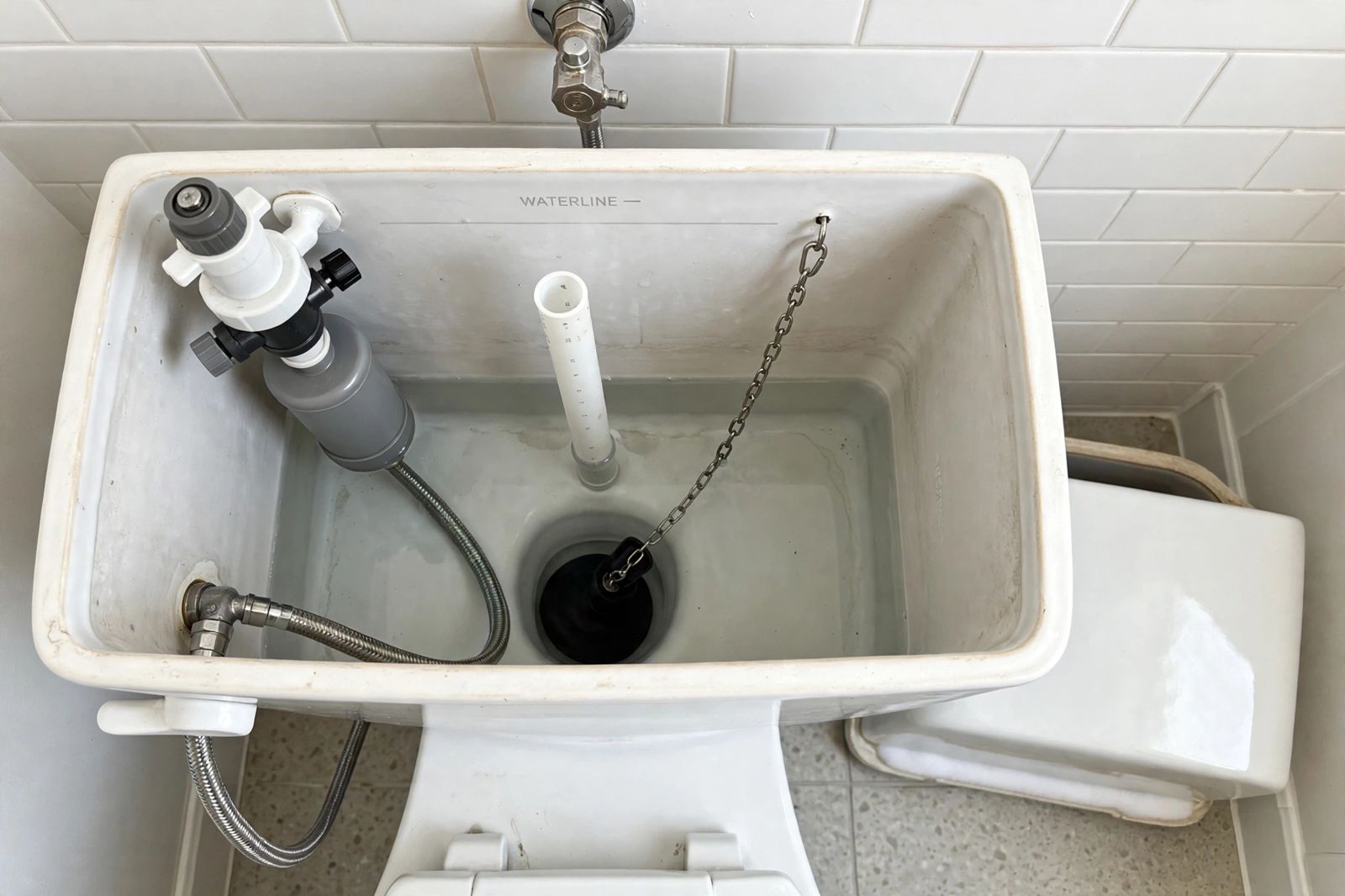
A toilet tank not filling is usually a closed supply valve, debris in the fill valve or a stuck float. Work the fill chain in order and fix it.
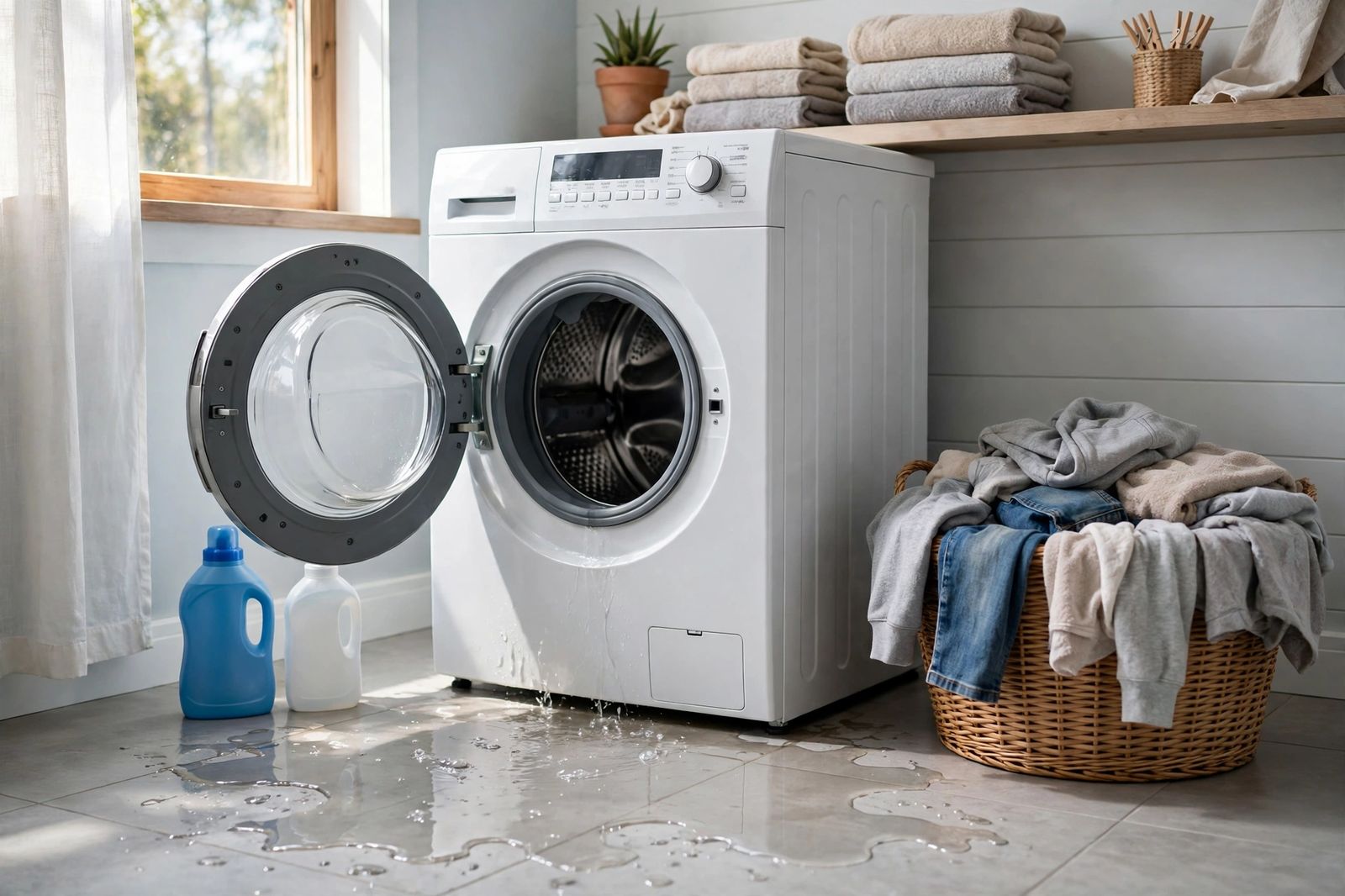
Washing machine leaking? Where the water appears and when it appears names the part — hoses, door boot, pump or tub seal — plus the test that proves it.
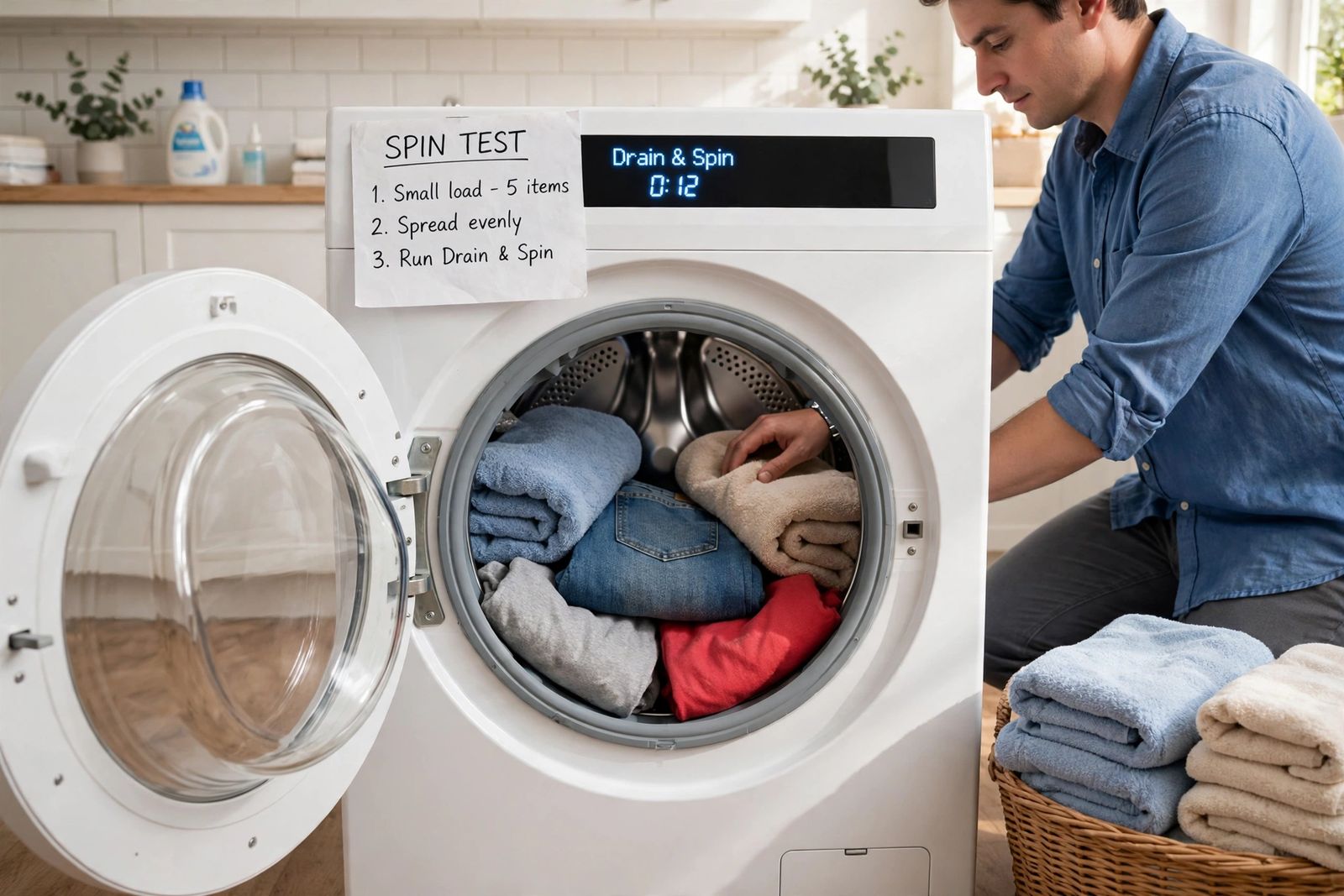
Washer not spinning? Run the small-load test first, then split by type — top-load lid switch, belt, coupling; front-load drain, lock, motor.
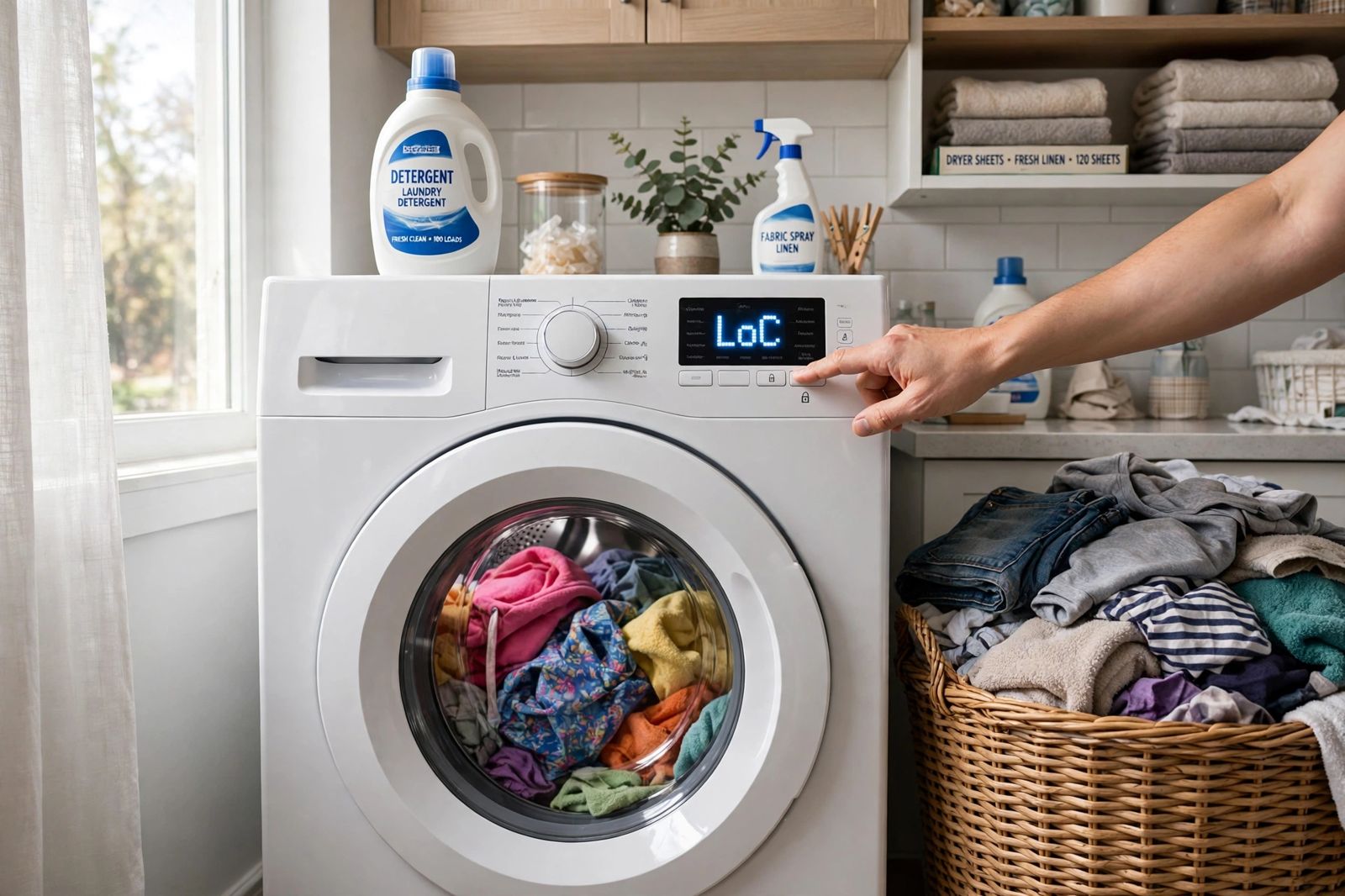
Washing machine not starting? Split dead (no lights) from lights-on first, then work the ordered tests: power, lock, Start hold, water valves.
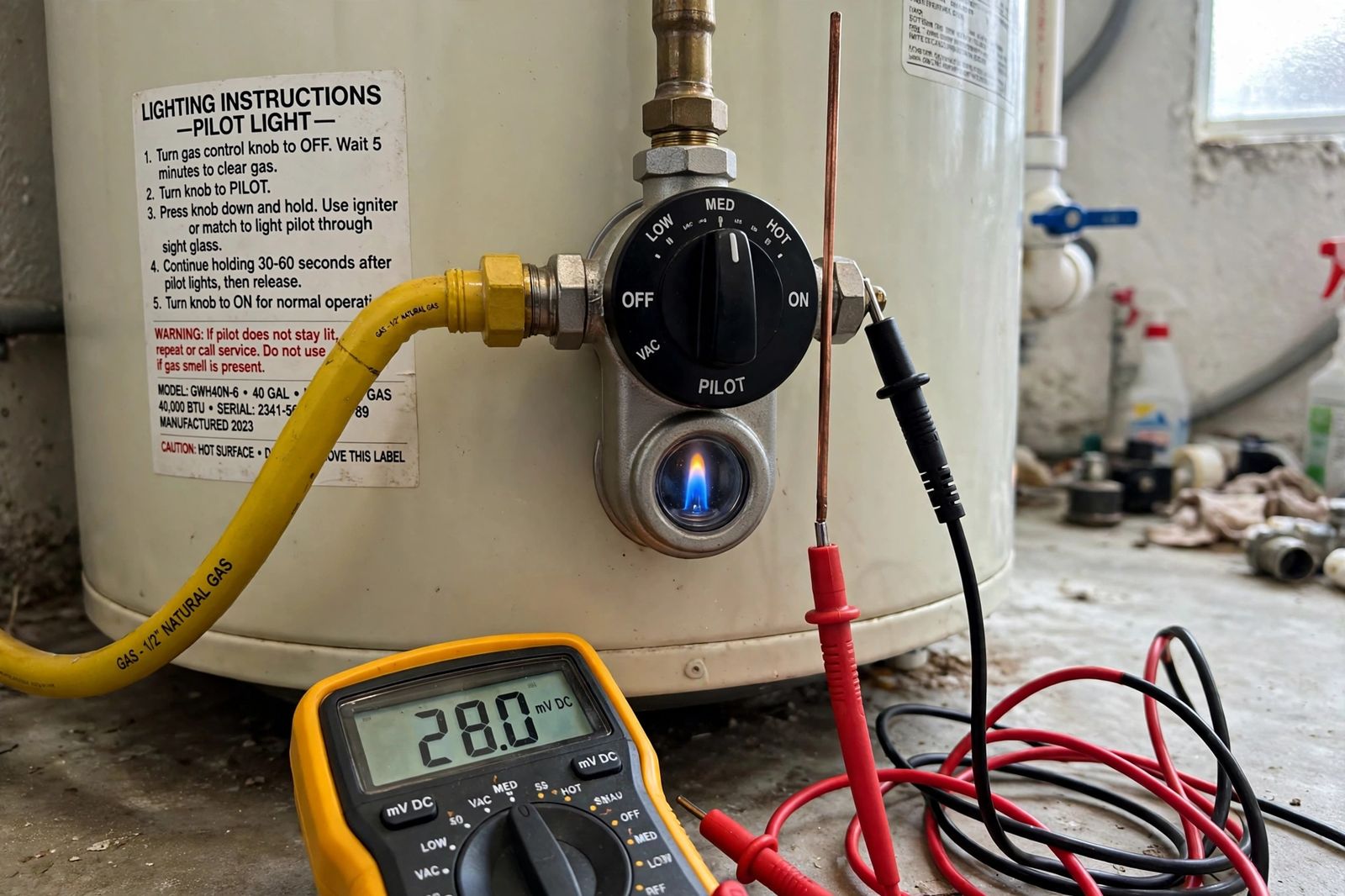
Pilot light keeps going out? Run the relight-and-watch test — dies on release vs dies later splits thermocouple from draft, tube and valve faults.
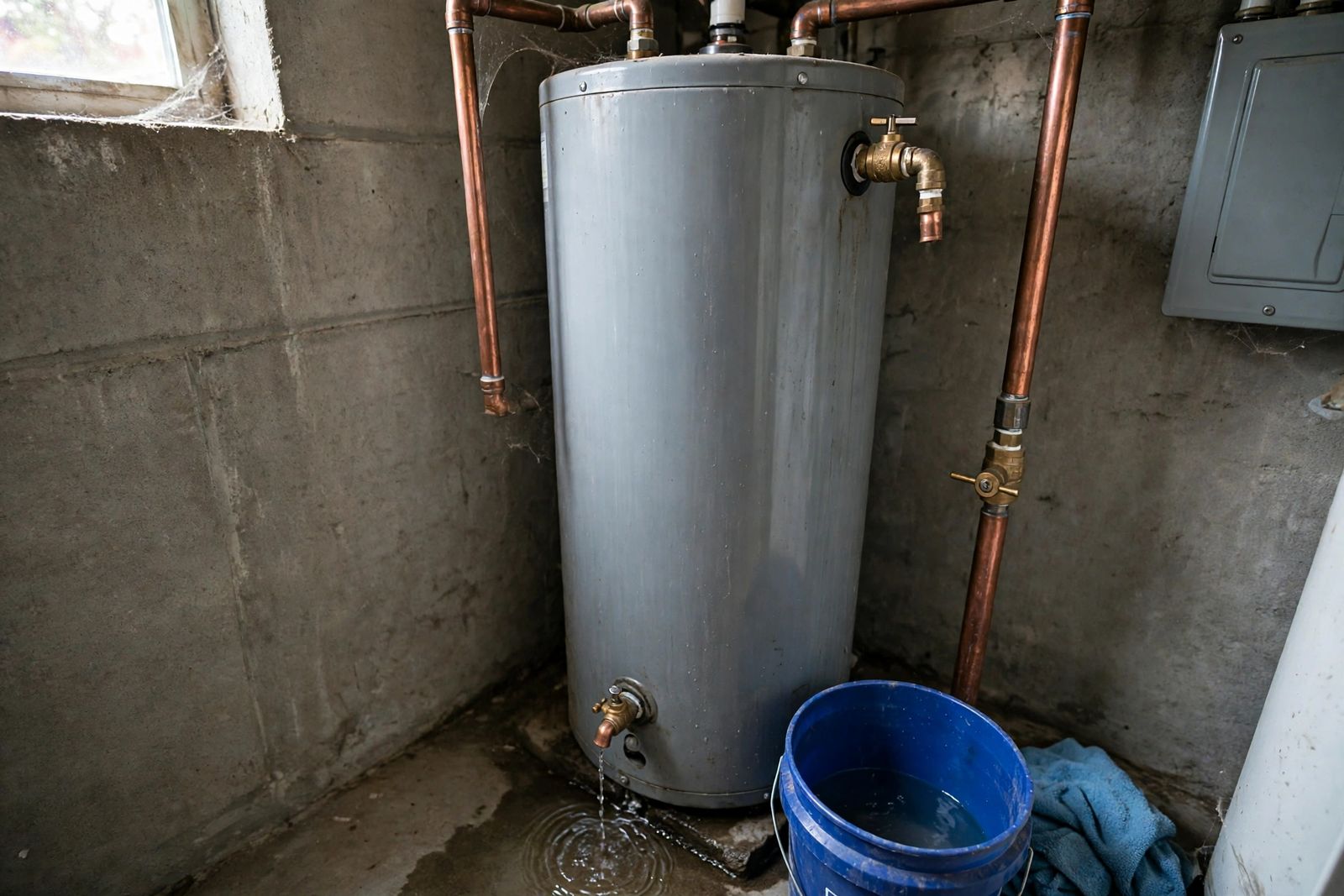
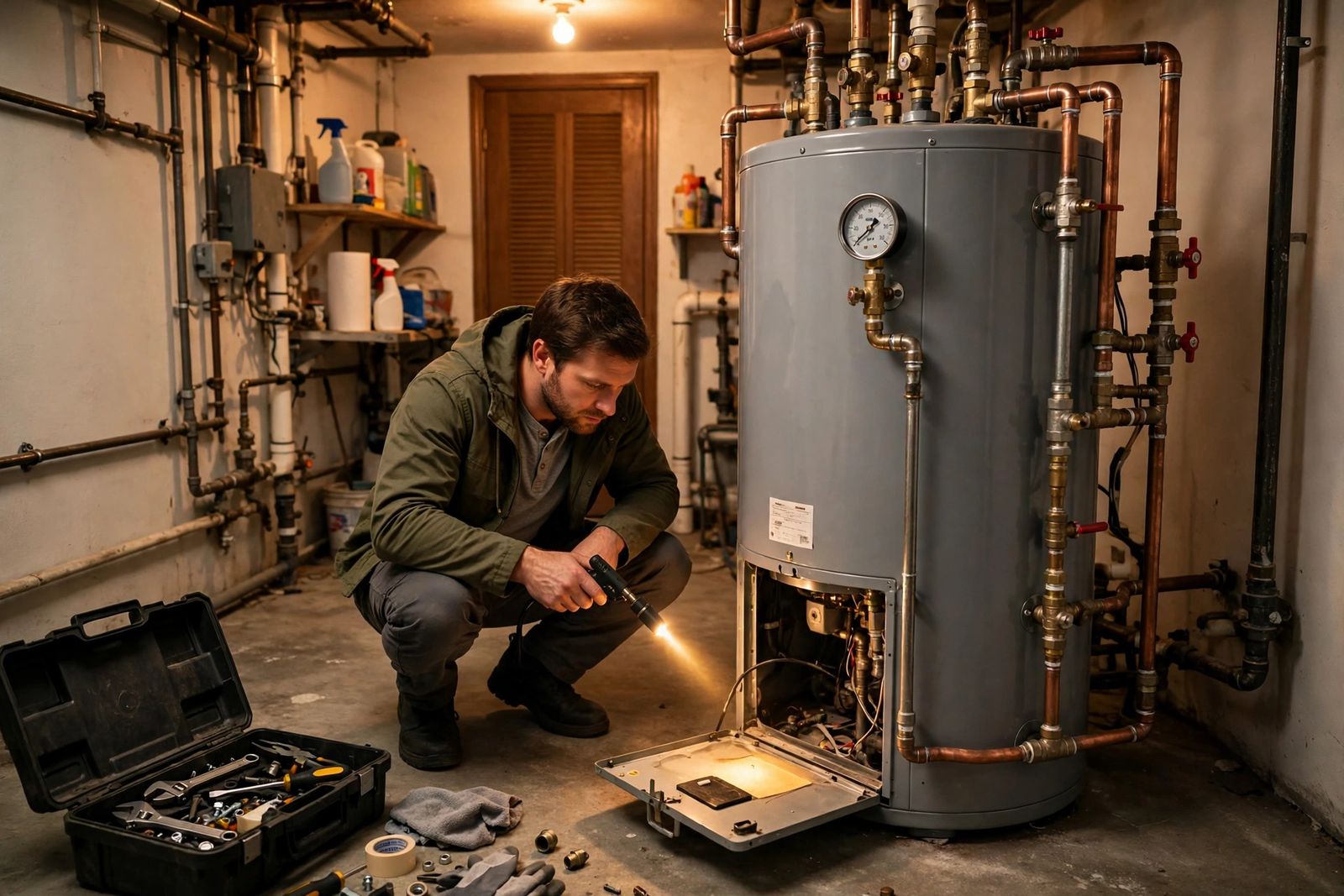
Water heater leaking? Kill the power and cold water first, then trace the drip — most leaks are a fixable valve or fitting; a tank leak is not.
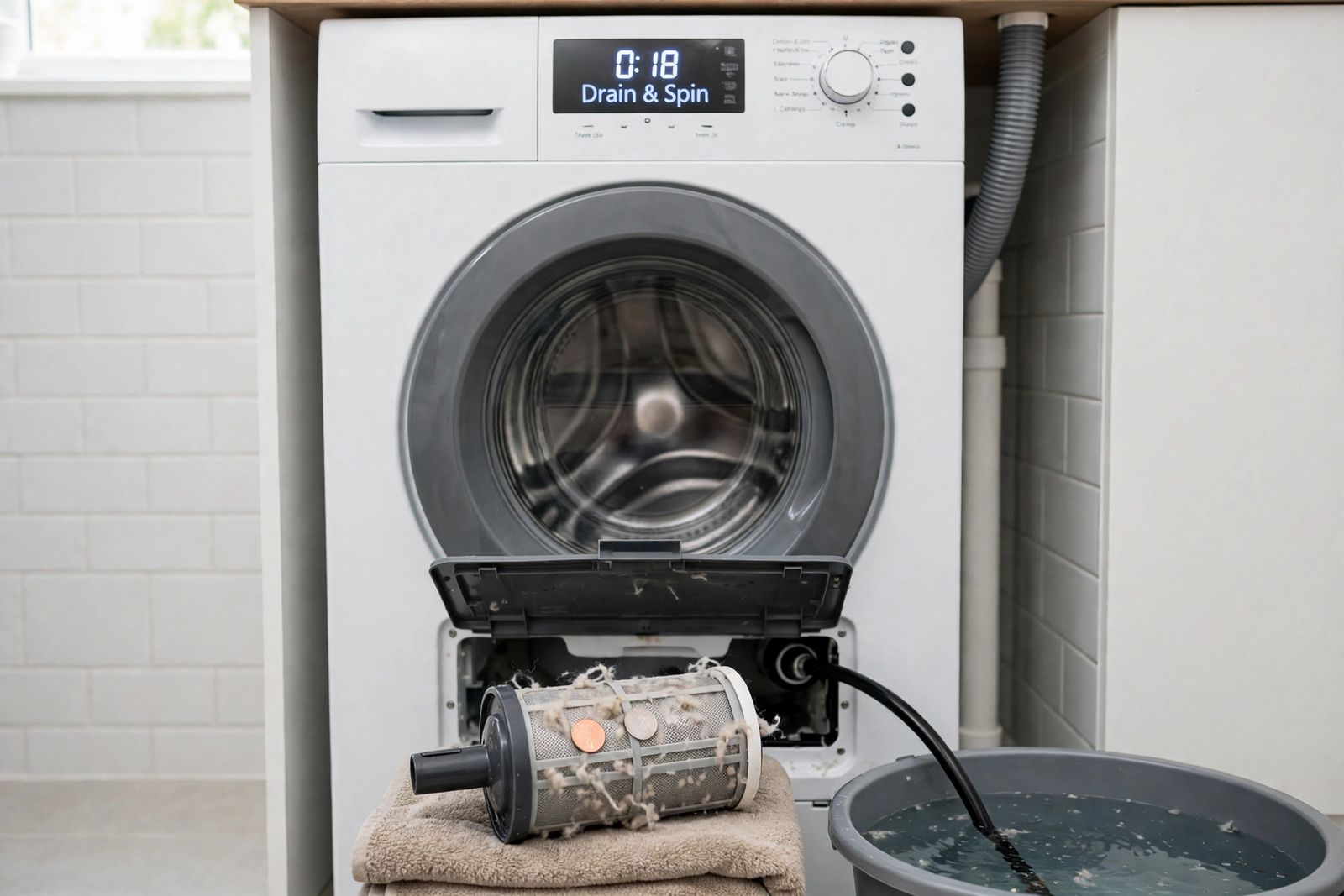
Washer not draining? Work the chain in order — pump filter, drain hose and standpipe, then the pump test — with front-load and top-load differences.
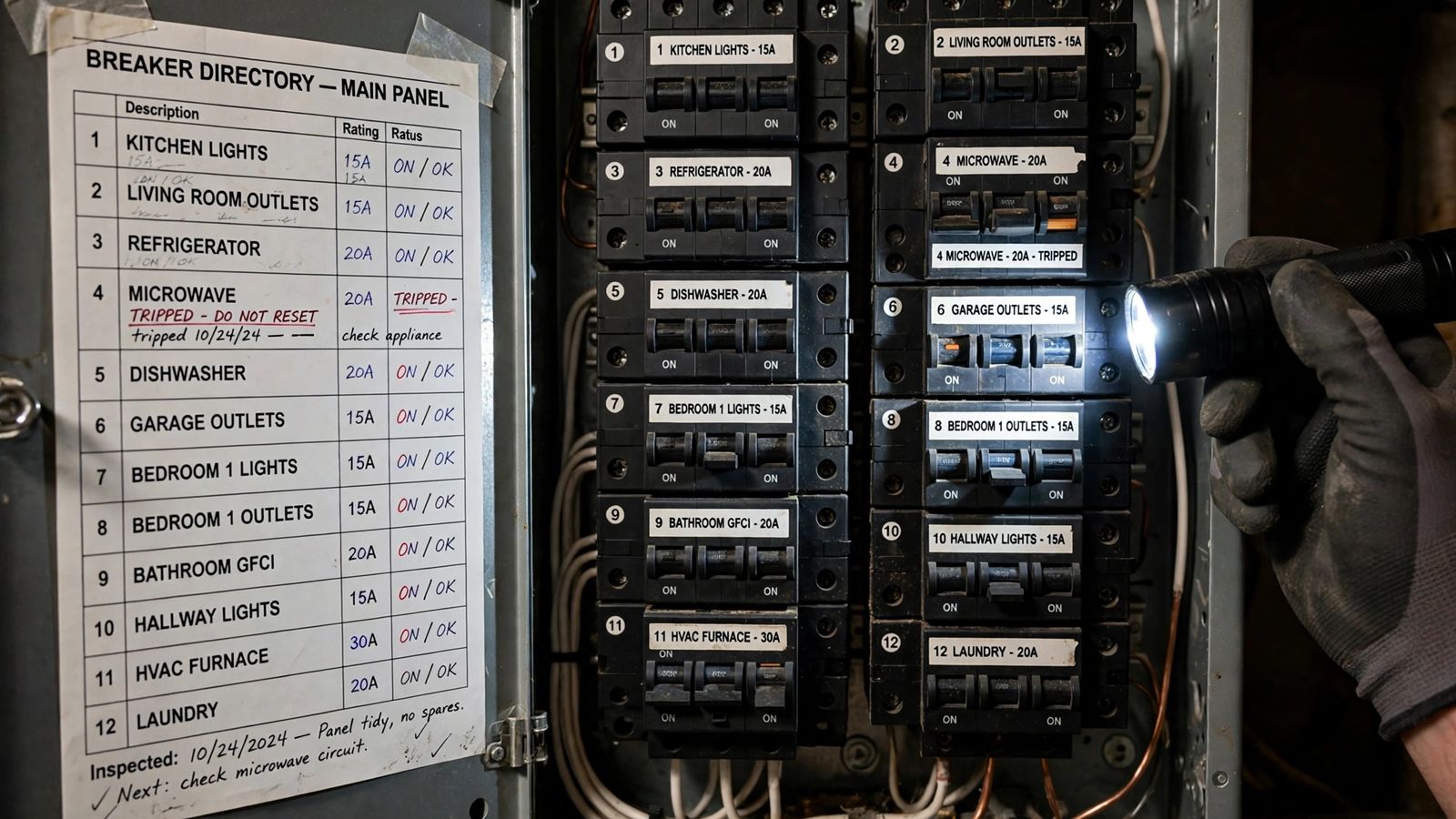
Circuit breaker keeps tripping? It is a warning, not a nuisance: overload, short, ground or arc fault. The safe unplug-all test, step by step, at home.
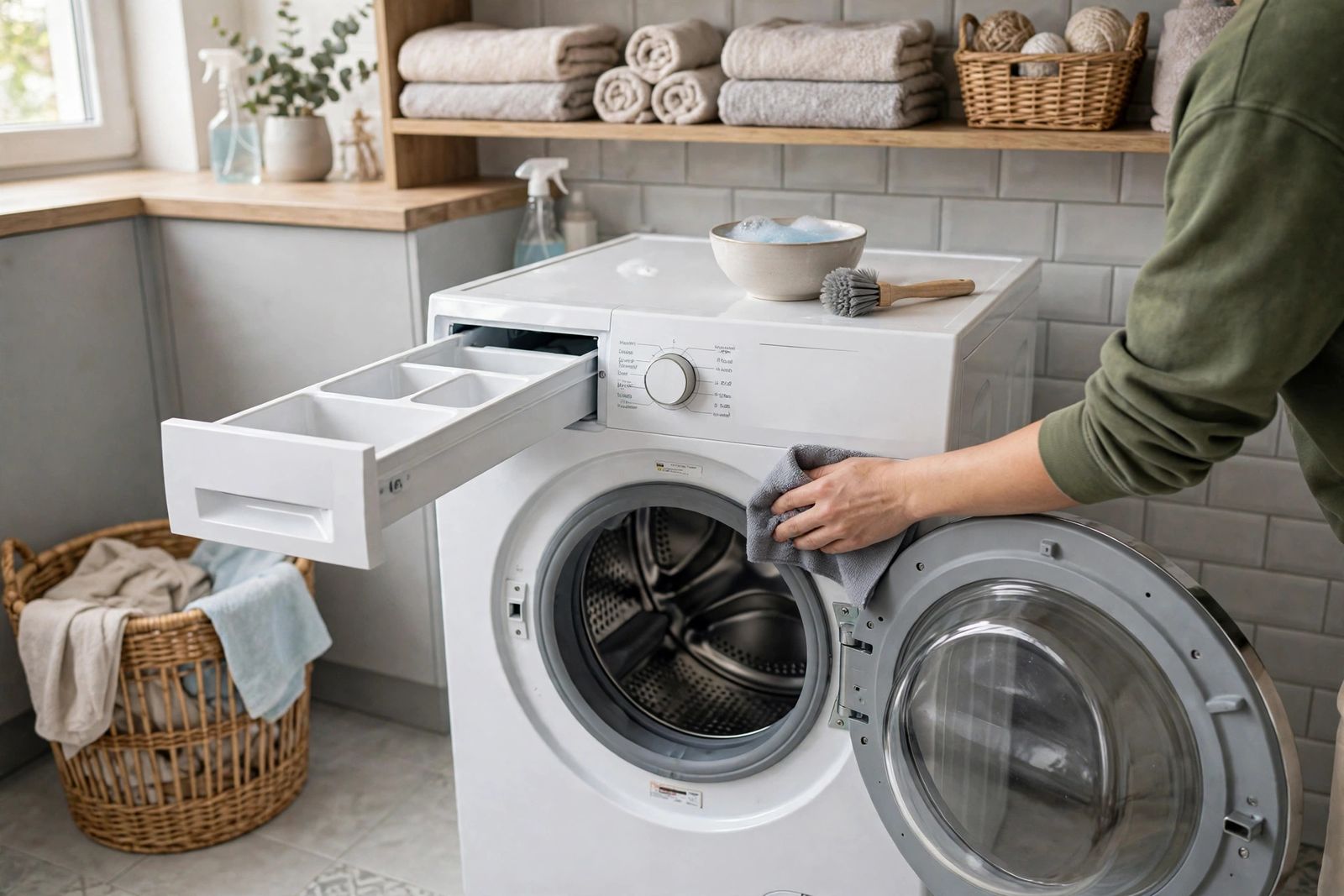
How to clean a washing machine: the monthly empty cleaning cycle, then gasket, dispenser drawer and pump filter by hand - and never mix bleach with vinegar.
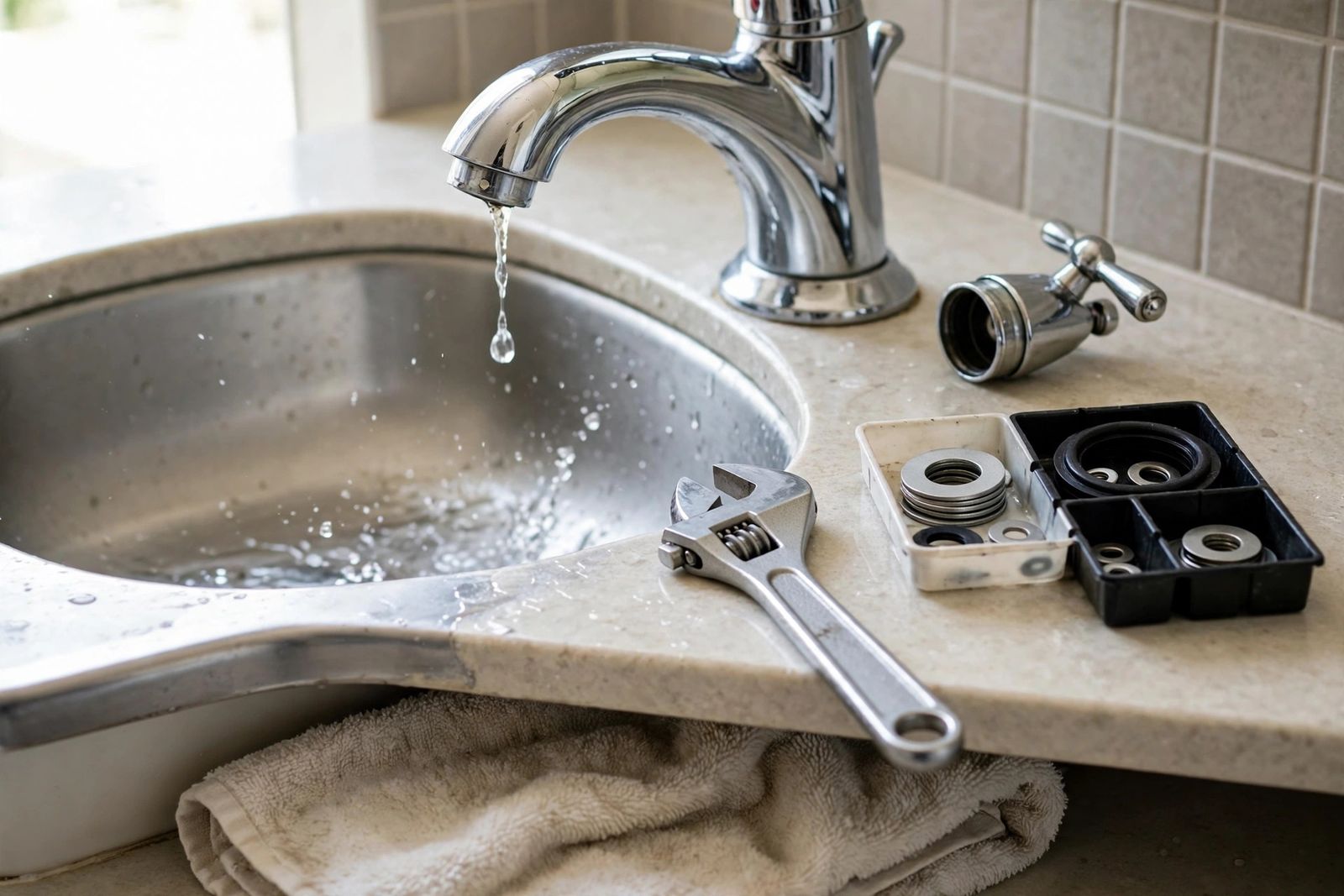
How to fix a leaky faucet: identify the type first - washer, cartridge, ball or ceramic disc - match the leak to the part, and replace just that part.
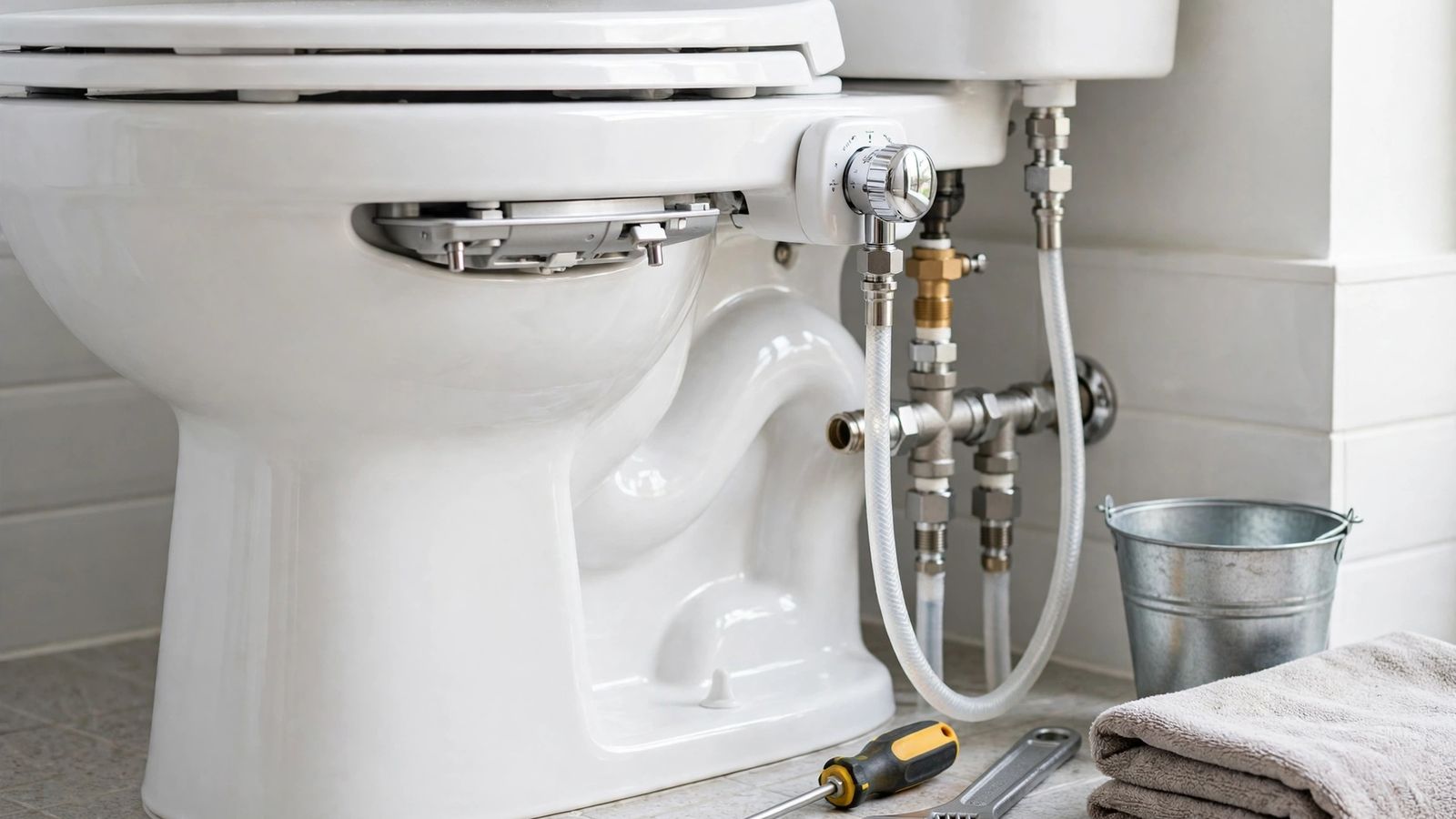
How to install a bidet attachment in about 15 minutes: the fit checks to run first, the T-adapter steps in order, and how to stop leaks and set pressure.
No hot water in the house? A water heater not heating is usually one open link in its fuel chain — electric and gas checks in order, safety first.
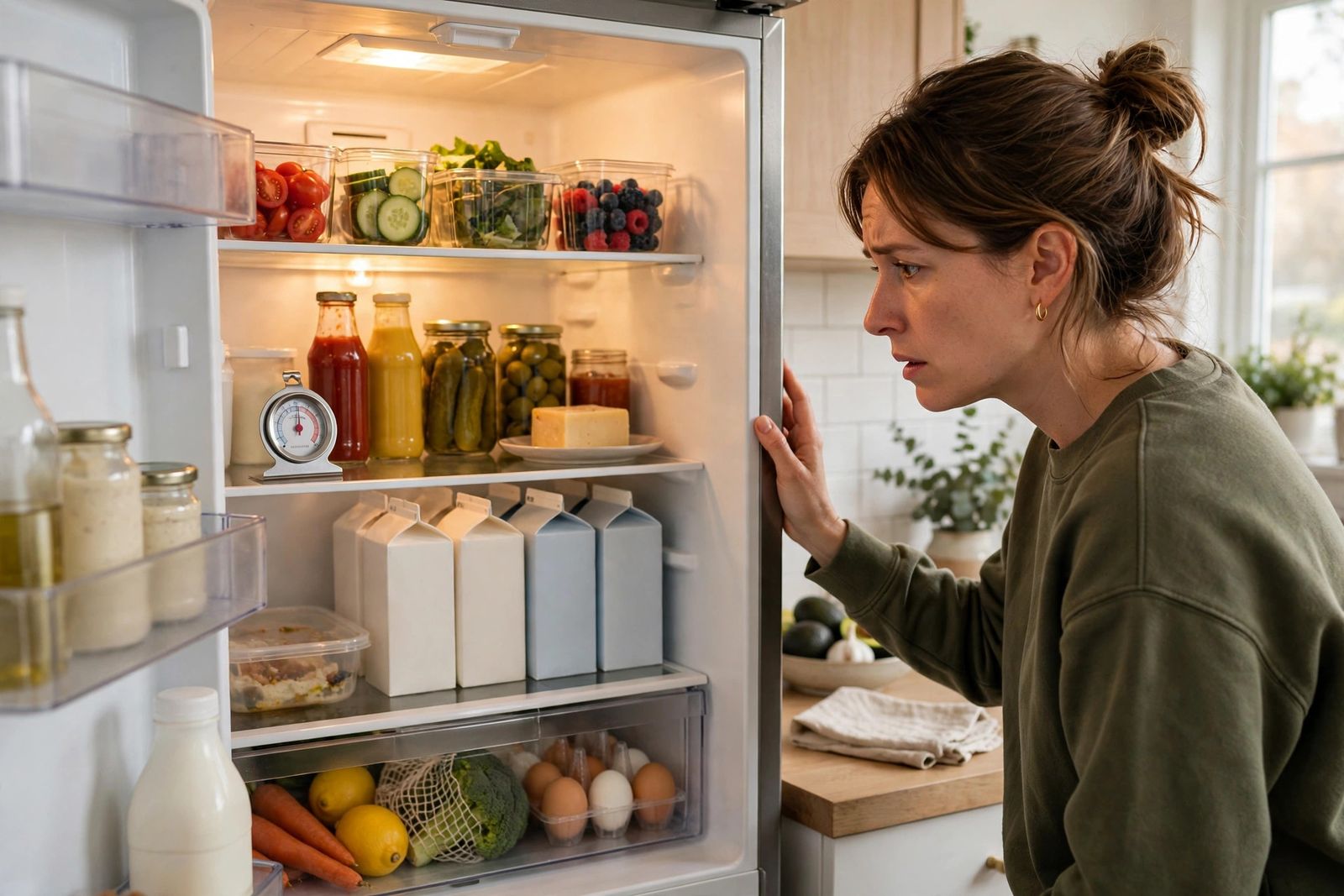
Refrigerator not cooling? Usually airflow, coils, a fan or a door seal - not the compressor. Safest checks in order, plus FDA food-safety limits (40F).
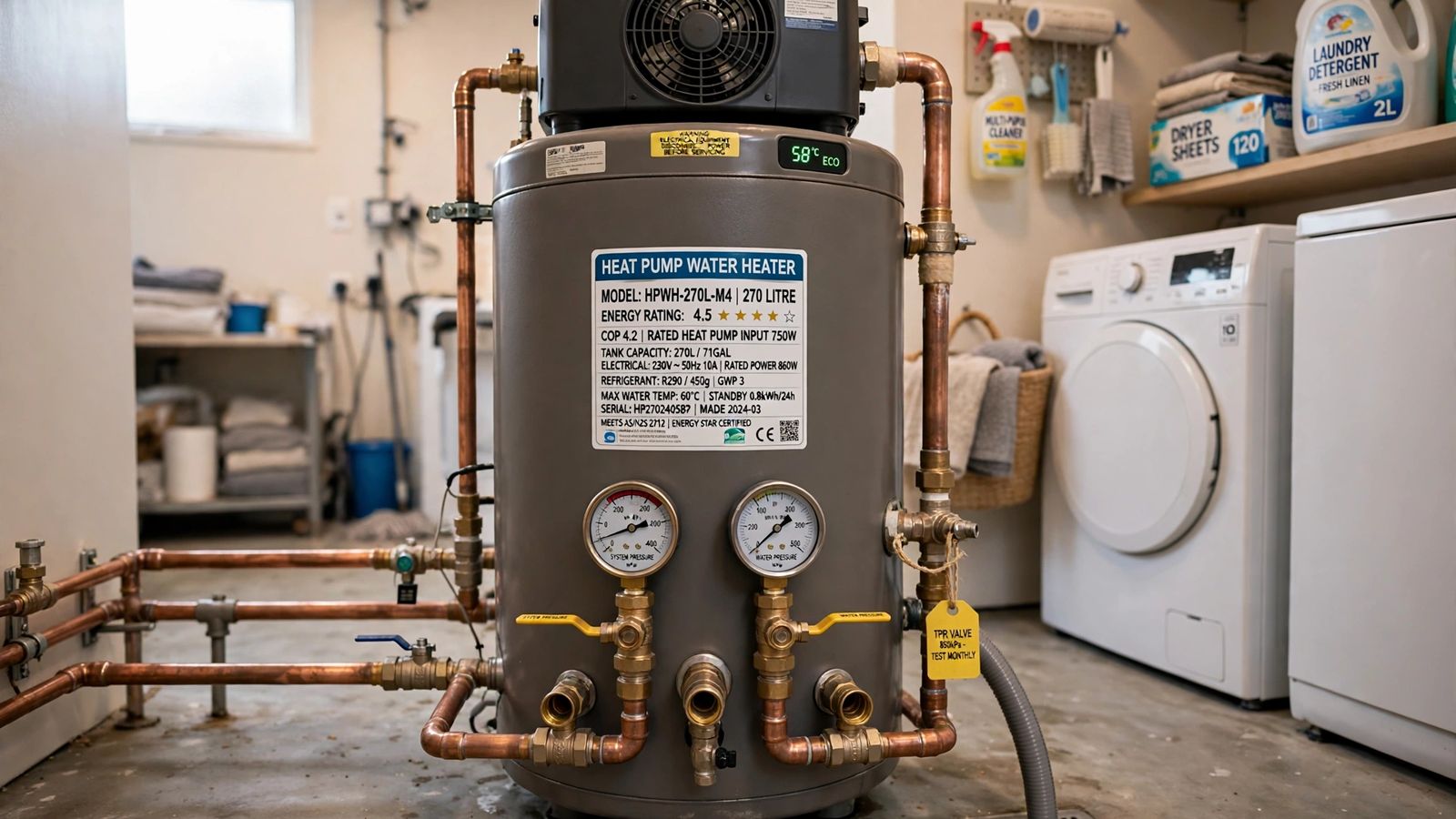
What is a heat pump water heater? It moves heat instead of making it, using 2-3x less electricity. Costs, UEF, sizes and the ended 25C credit, checked.
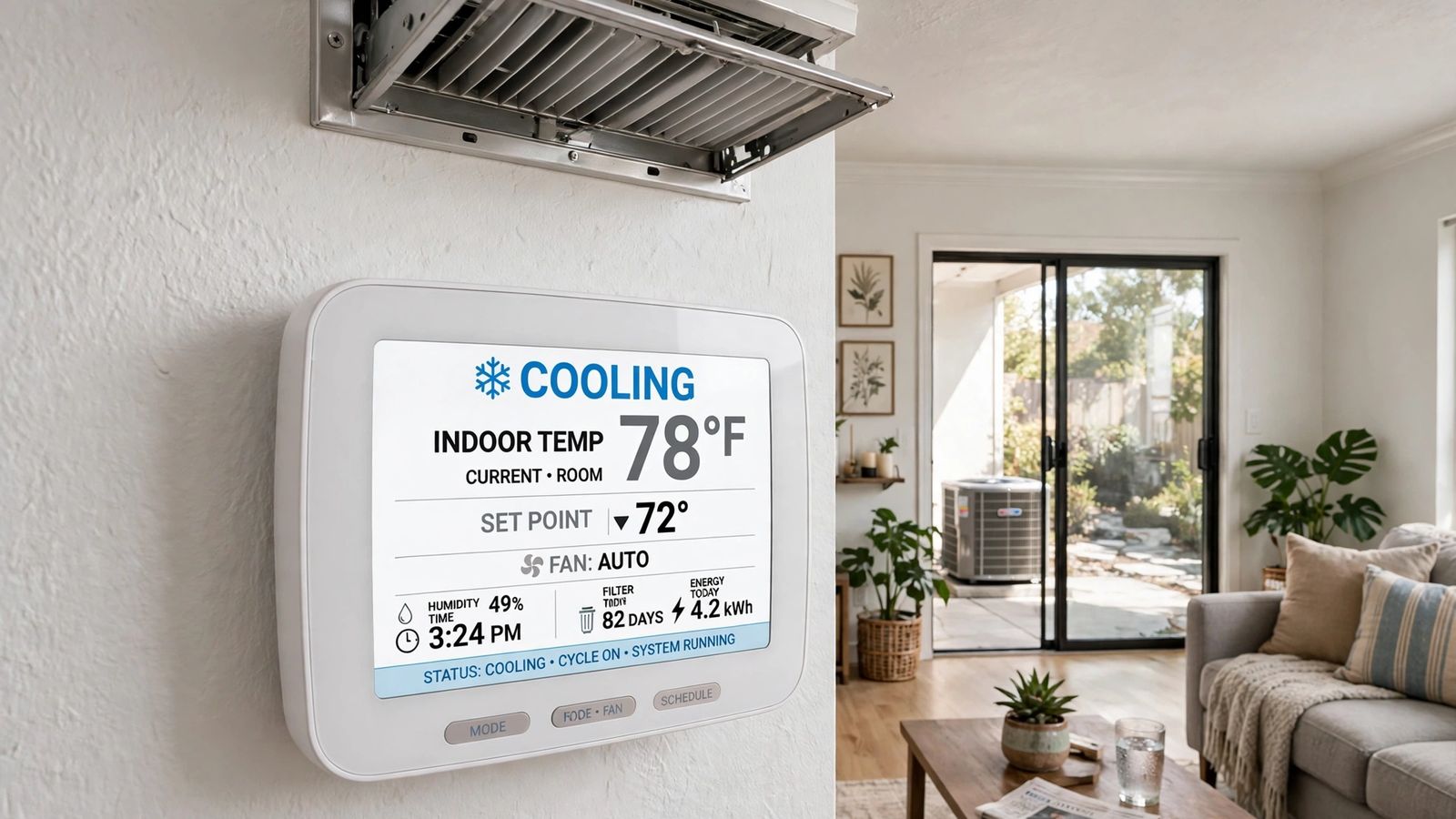
AC short cycling is a run of a few minutes, then off, then on again. Work through the filter, thermostat, vents, coil and drain first - then the pro-only faults.
Why are my lights flickering? A loose bulb or dimmer mismatch is common - but whole-house flicker, buzzing or a burning smell means stop. Causes and checks.
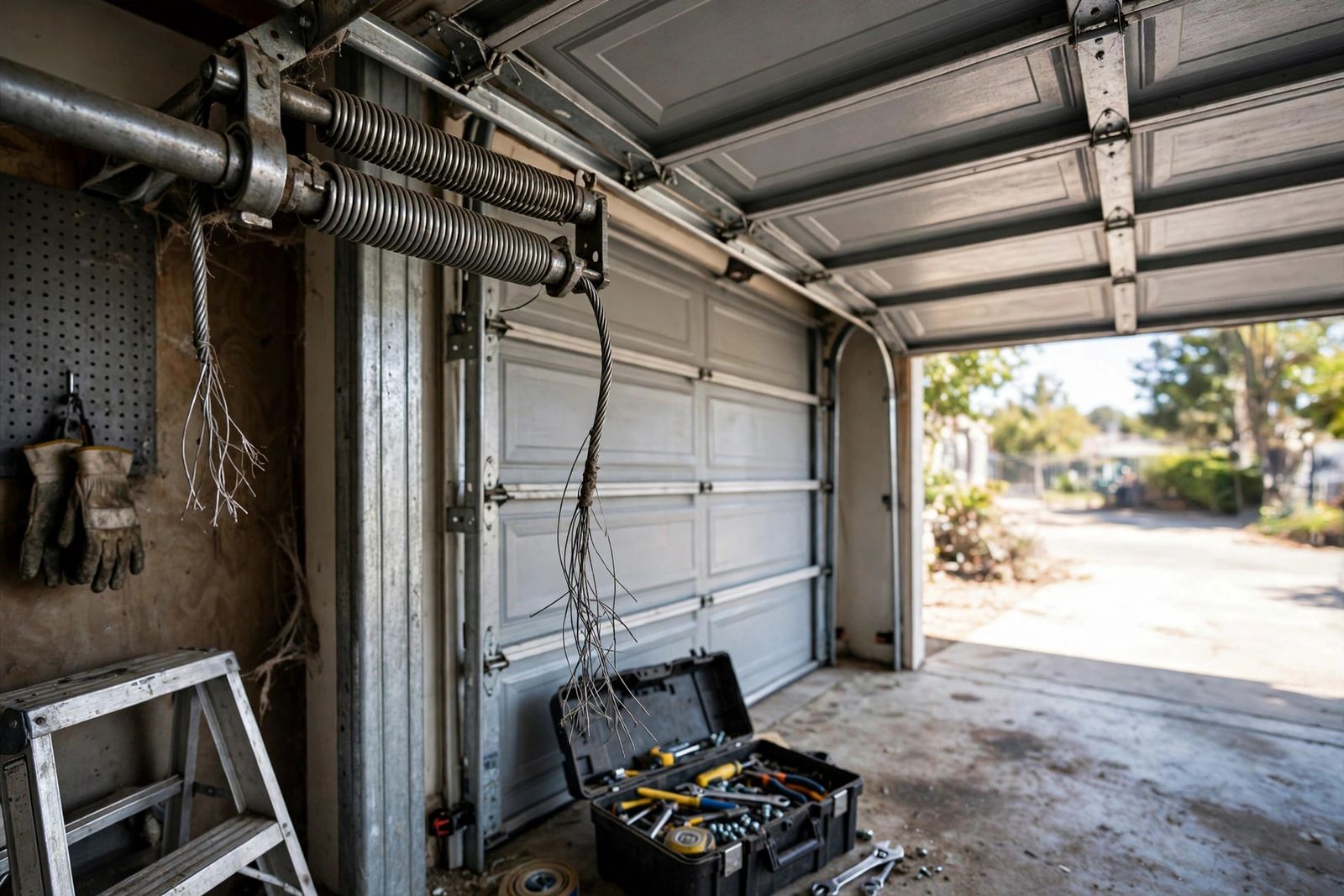
Garage door cable snapped or frayed? What the cables do, the warning signs, typical fitted cost ($150-$350), and why this is a professional job, not DIY.
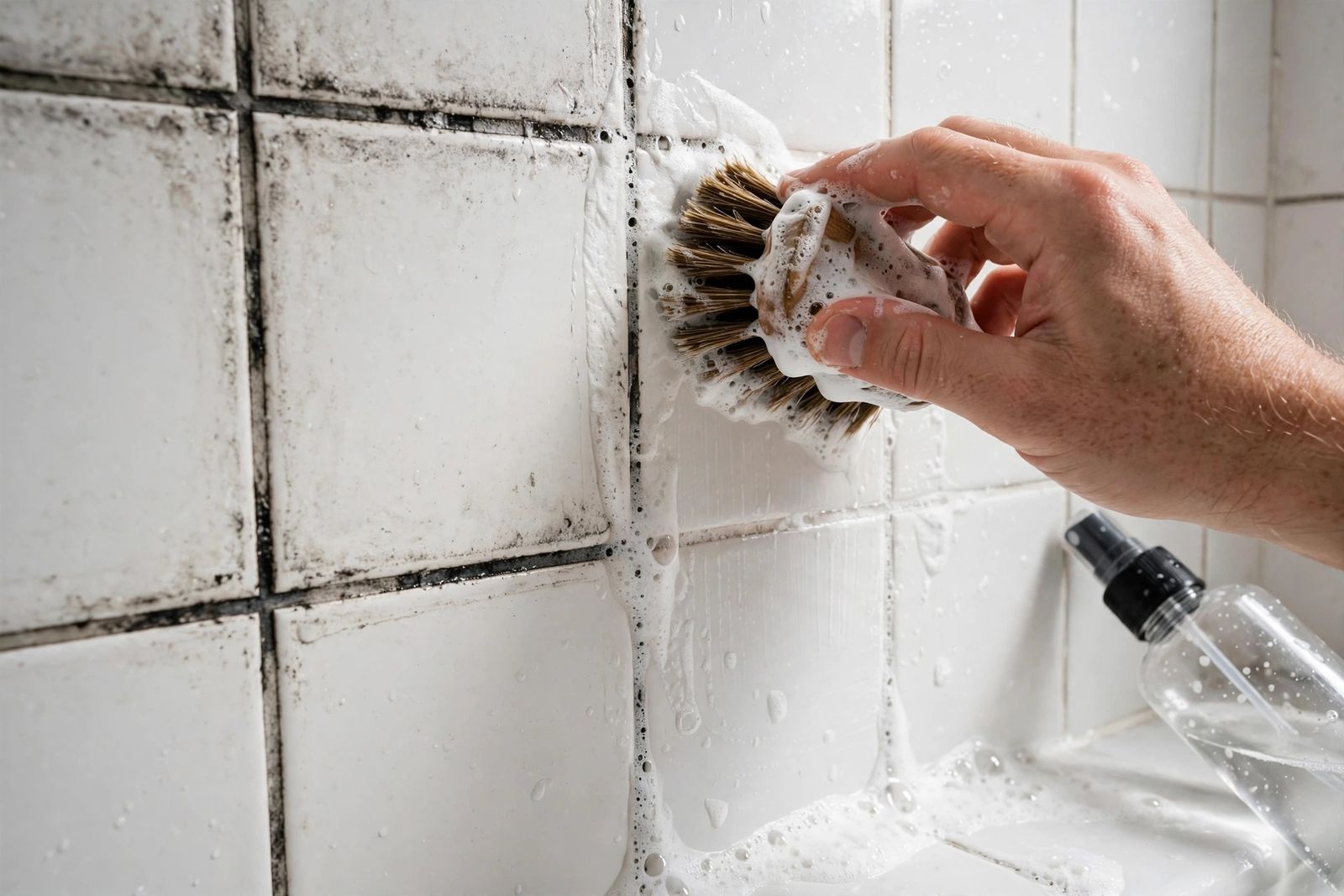
How to clean grout lines without wrecking them: start mild - baking soda paste, oxygen bleach, steam - then fix mould, recolour stains, and seal the clean in.
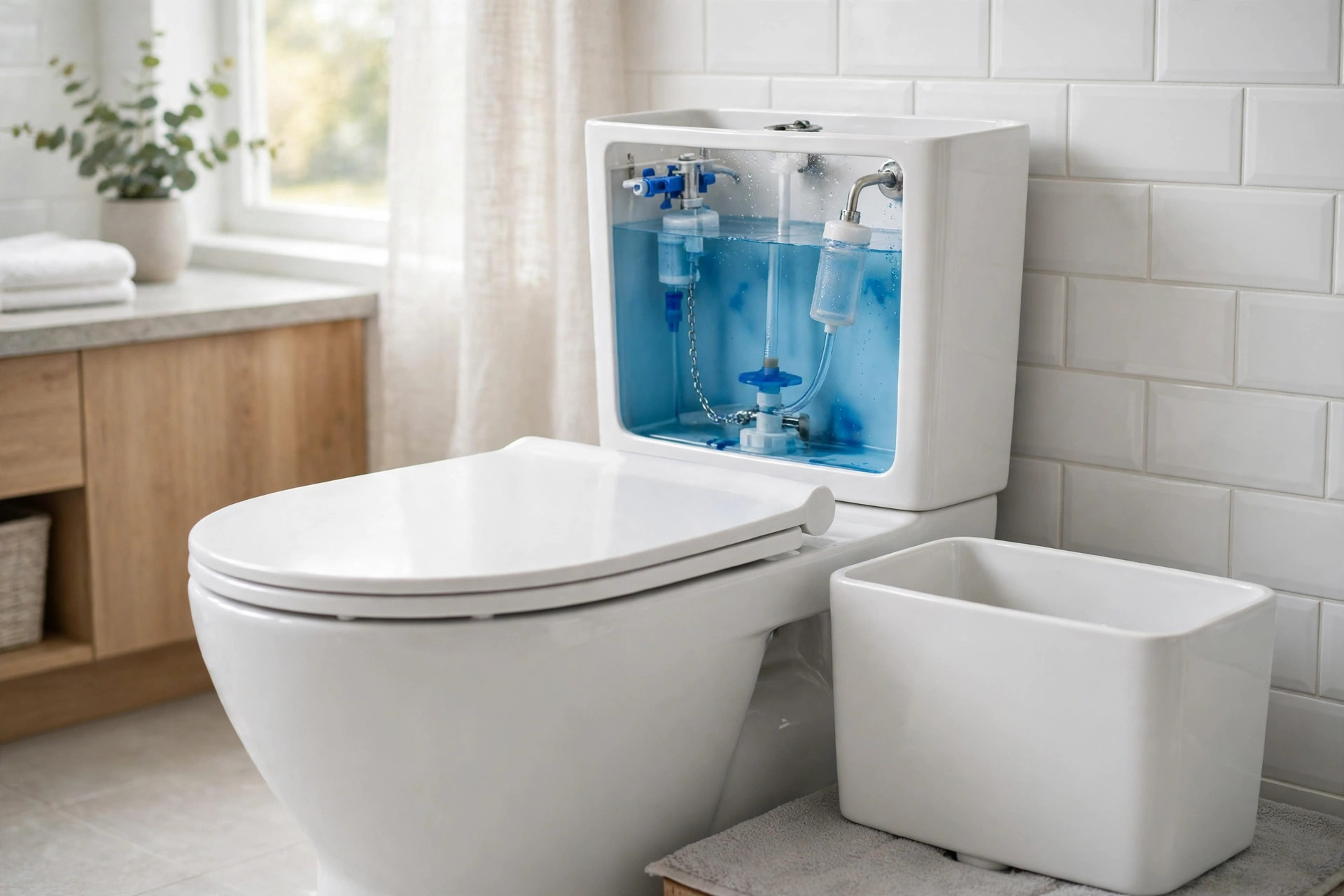
A running toilet is usually a worn flapper, a chain problem, or a fill valve on its way out. Diagnose it in 10 minutes; most fixes cost under $15.